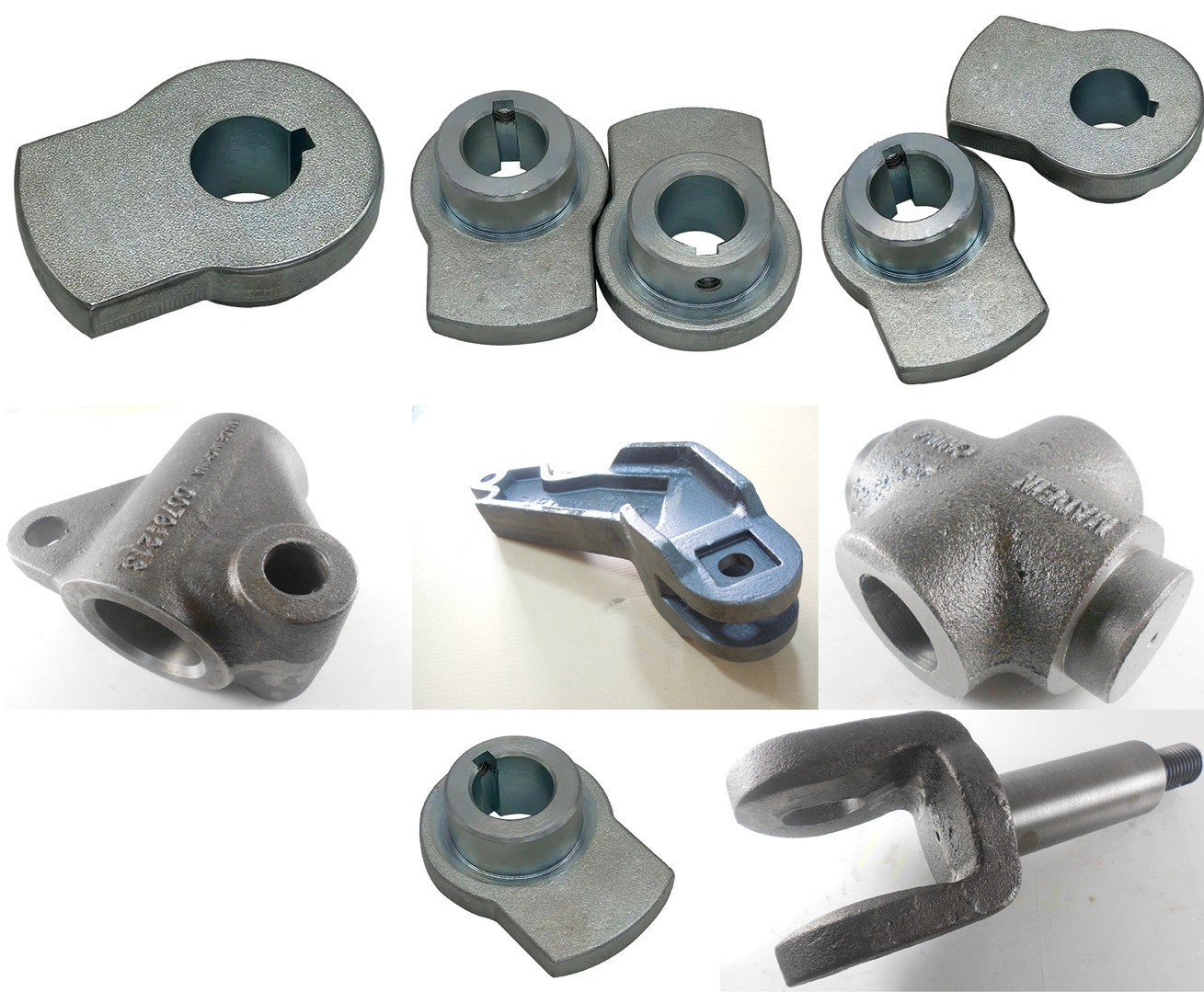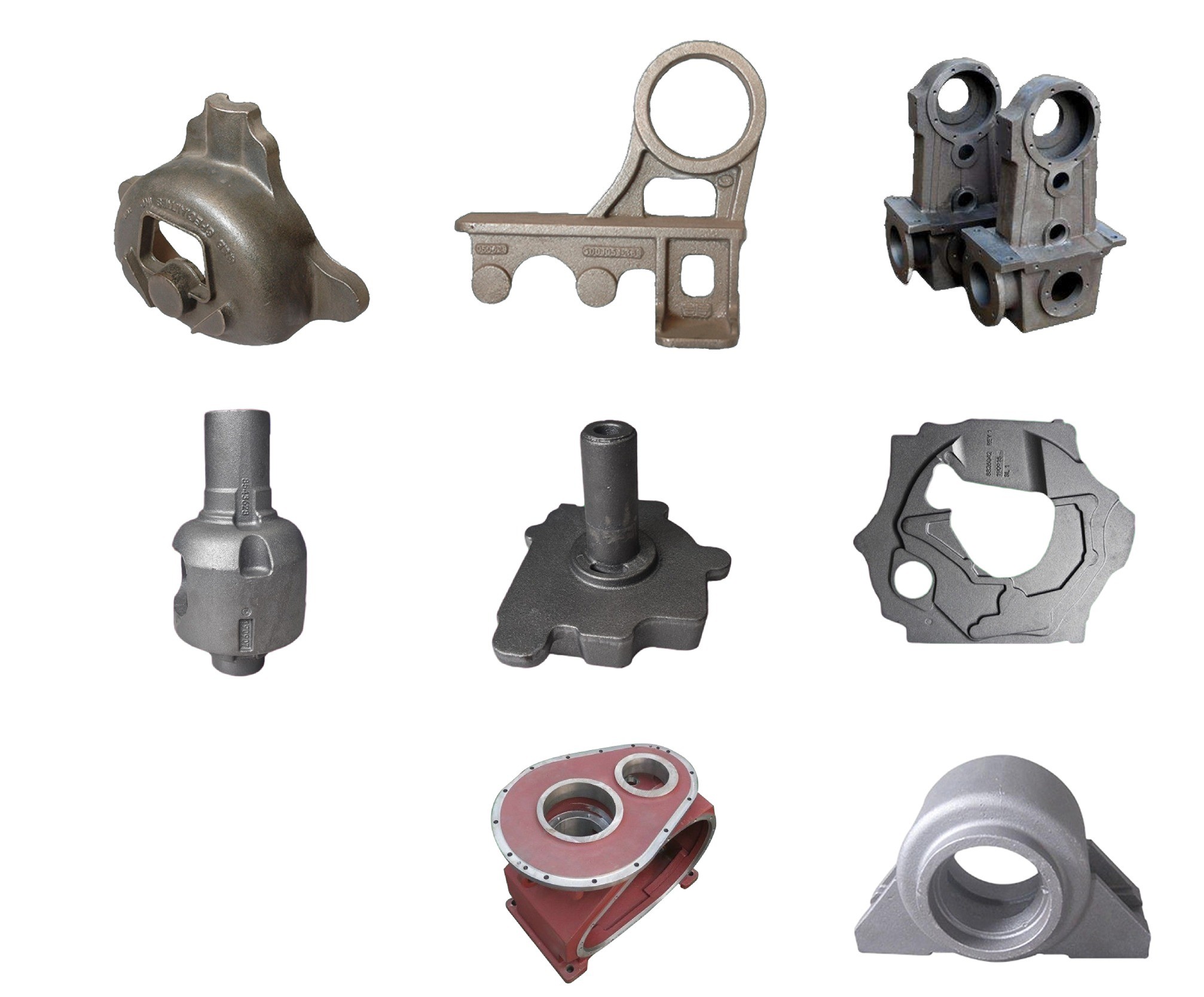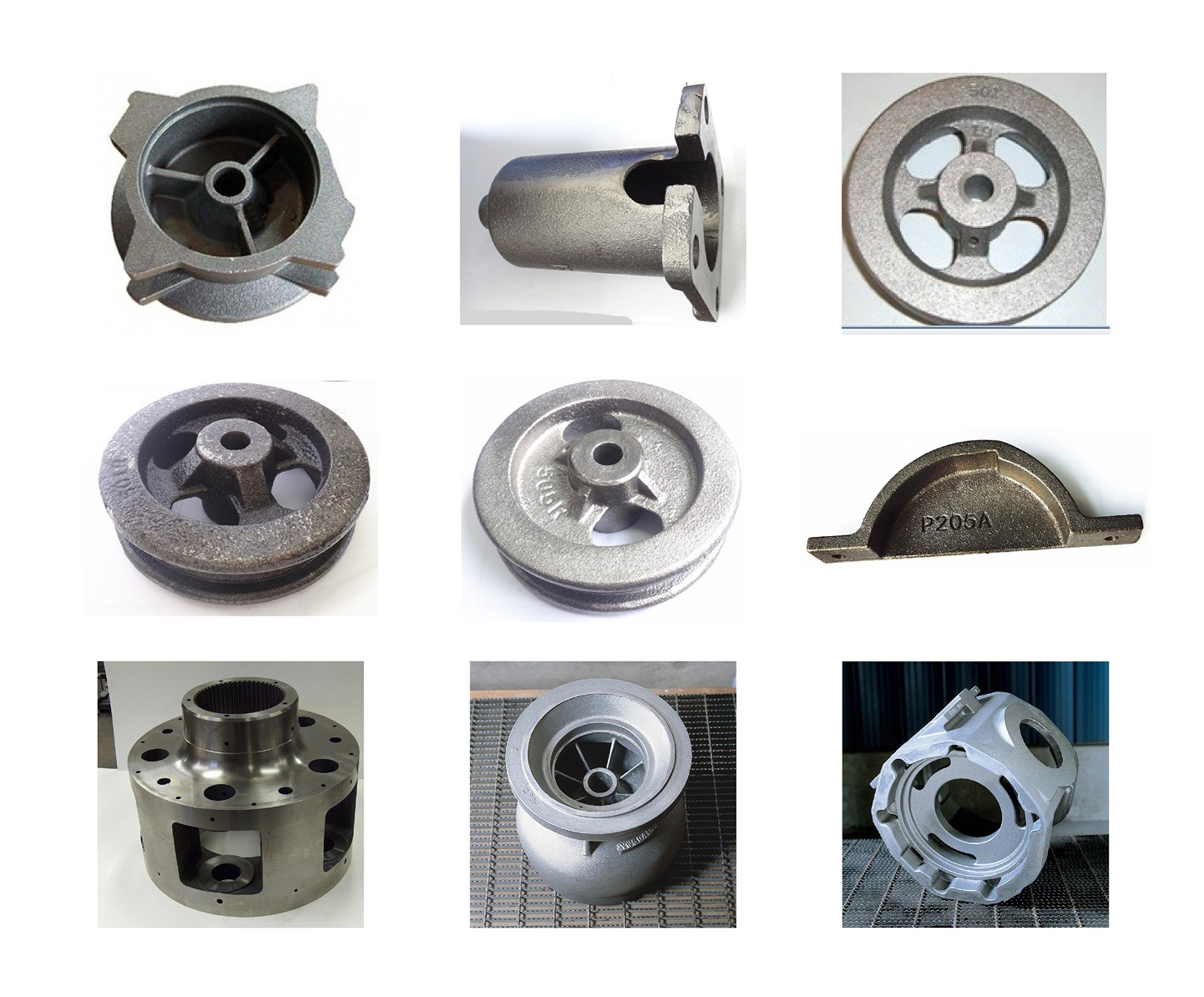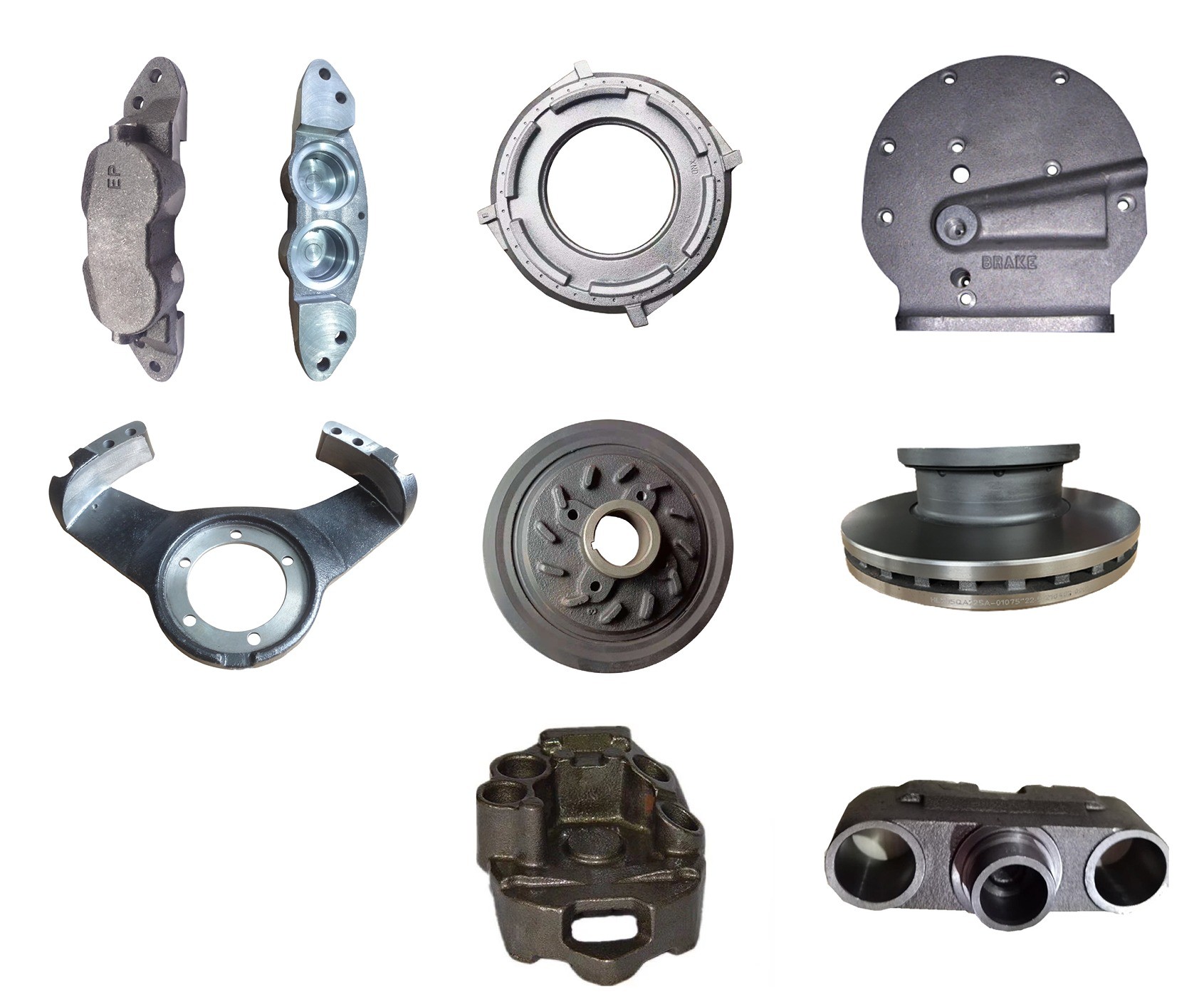
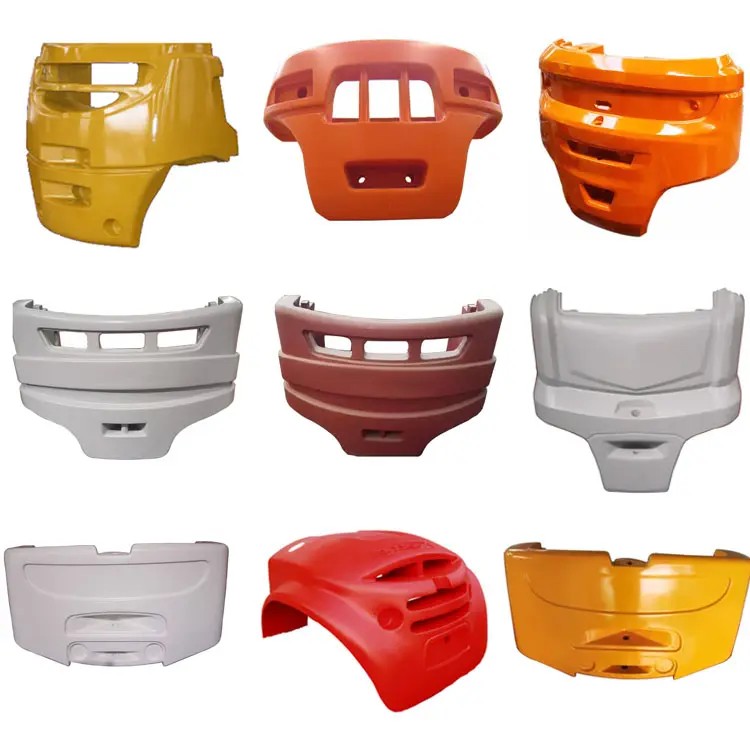
Counterweight parts

Description
Key features
Increased Load Capacity
By offsetting the weight of loads, counterweights significantly enhance a machine’s lifting capacity. This enables heavy machinery to safely handle larger objects whilst maintaining proper balance and control throughout operations.
Reduced Structural Stress
Counterweights distribute weight evenly across machine components, reducing stress on structural elements including chassis and axles. This balanced distribution extends machine service life and minimises maintenance requirements.
Predictive Improved Manoeuvrability
Heavy machinery often features uneven component distribution, such as large front-mounted engines. Counterweights balance this weight distribution across the entire machine, improving overall handling and manoeuvrability during operation.
FAQs
What materials are used for counterweight manufacturing?
Counterweights are commonly manufactured using materials with appropriate density, strength and durability including concrete, steel, lead and cast iron. JEAKUE produces counterweights in iron or can customise materials based on specific application requirements. Material selection considers factors such as operating environment, weight requirements and corrosion resistance.
Which types of heavy machinery use counterweights?
Counterweights are essential components in numerous heavy machinery types including cranes (tower, mobile and crawler), excavators, forklifts, agricultural machinery (tractors and combine harvesters), and mining equipment (haulage trucks and large excavators). Any machinery handling heavy loads or operating on uneven terrain typically requires counterweights for safe operation.
What factors are considered in counterweight design?
Critical design considerations include precise weight calculation based on forces requiring balance, accurate centre of gravity positioning to align with load centre, appropriate material selection for density and durability, secure installation points and fasteners, environmental factors (temperature, humidity, corrosion resistance), and accommodation for potential load variations during operation.
What is the surface roughness specification?
JEAKUE counterweights feature a surface roughness of Ra6.3, achieved through our vacuum aspirated casting process combined with shot blasting and grinding. This specification ensures consistent surface quality and proper coating adhesion for the spray-paint surface treatment.
Are custom specifications available?
Yes, JEAKUE offers OEM services and CNC machining capabilities to produce counterweights meeting specific customer requirements. Customisation options include materials, dimensions, weight specifications and surface treatments to match your exact application needs.
Download
Video