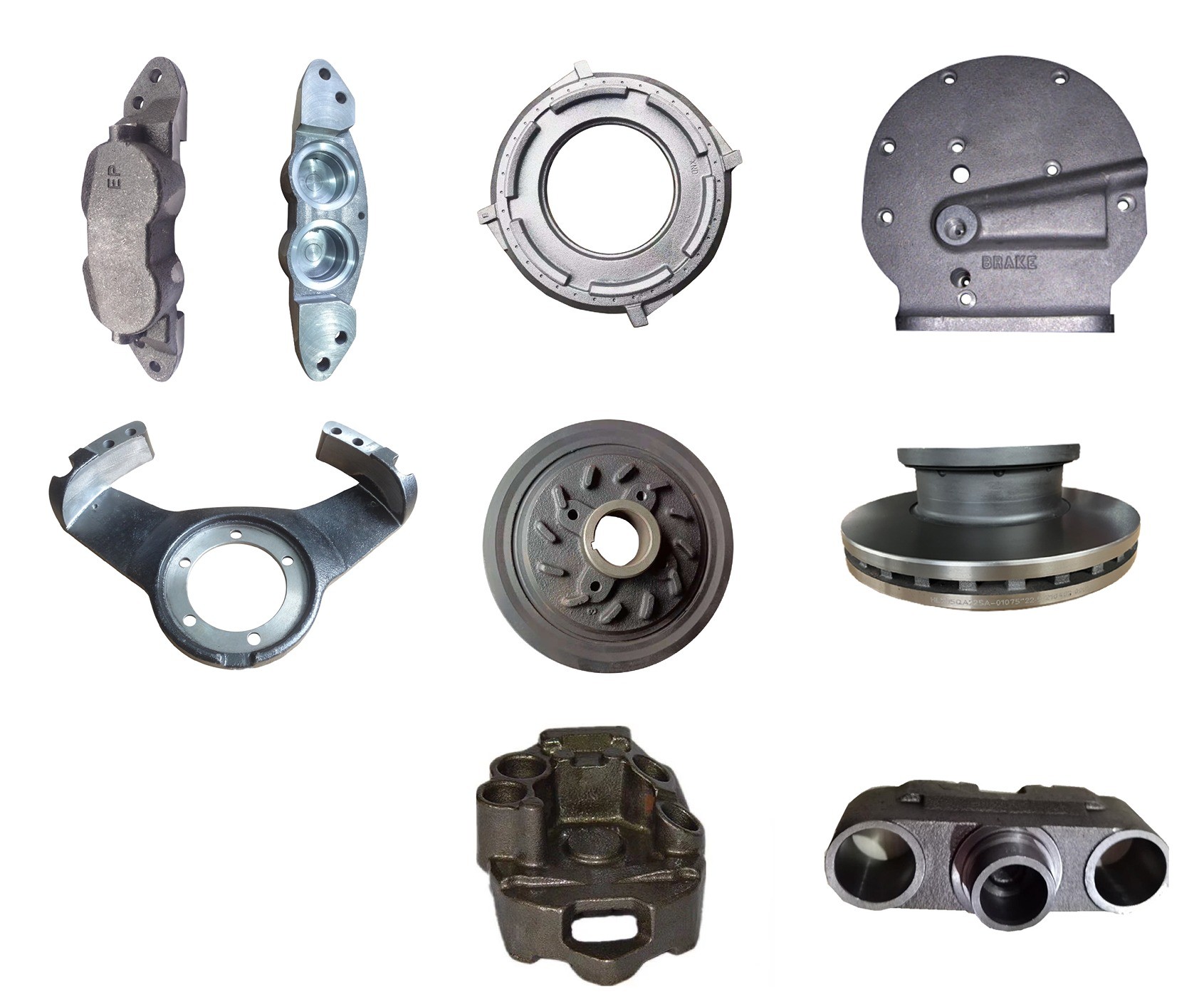
Automotive parts

Description
Key features
Aluminium Components
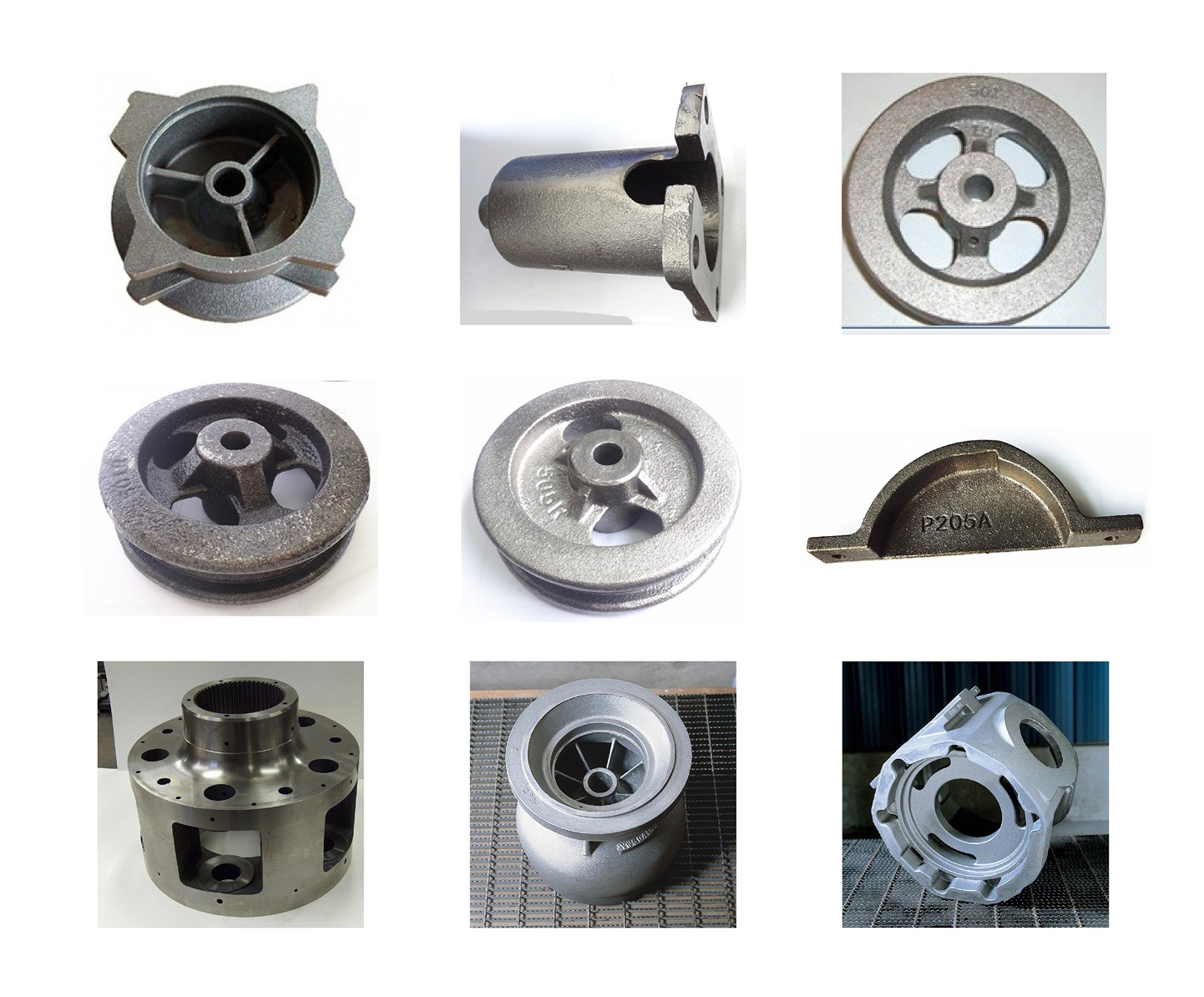
Aluminium offers an excellent strength-to-weight ratio making it ideal for lightweight automotive parts production. This material combines stiffness, corrosion resistance, ductility and high machinability. Perfect for manufacturing engine blocks, intake manifolds, lights, wheels and cylinder heads where weight reduction is critical without compromising structural integrity or performance requirements.
Titanium Applications
Titanium provides excellent chemical and corrosion resistance combined with an exceptional strength-to-weight ratio and resistance to extreme temperatures. Widely used in automotive brake callipers, rims, engine valves and other mechanical parts where demanding operating conditions require materials capable of maintaining performance under stress, high temperatures and corrosive environments.
Steel Manufacturing
Steel delivers durability and excellent properties facilitating high-quality parts production. This material is corrosion resistant, lightweight and produces aesthetically pleasing parts. Used extensively in automotive brakes, engines, exhaust systems and wheels where strength, longevity and reliability are essential for safe vehicle operation and extended service life.
Copper Electronics
Copper plays a crucial role in automotive comfort, efficiency and safety. As an excellent electrical conductor with high malleability and ductility, copper is used in most automotive electronics including wiring harnesses, radiators, starter motors, alternators and brake tubes. Essential for modern vehicle electrical systems and thermal management applications.
FAQs
What materials are available for automotive casting?
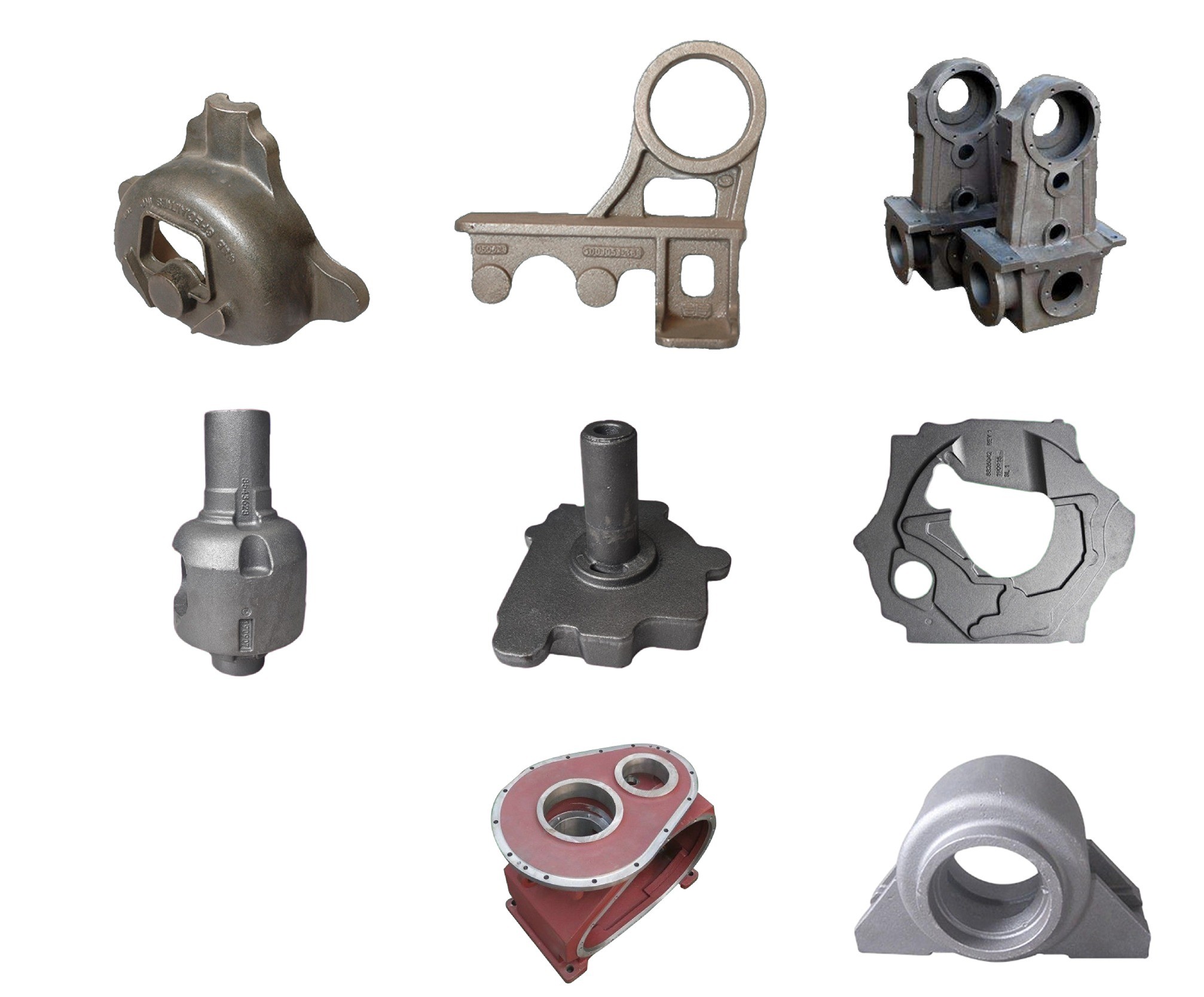
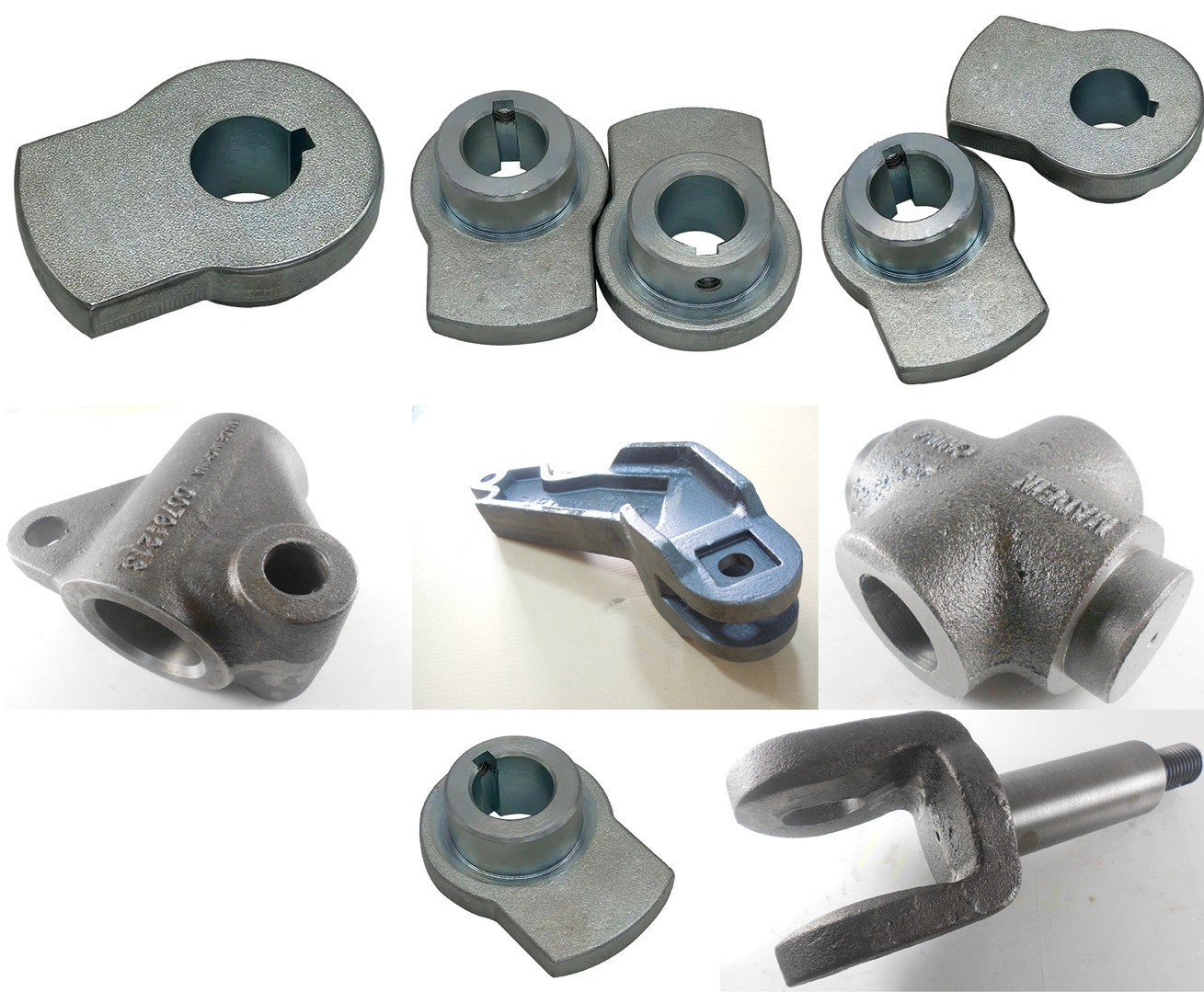
JEAKUE offers five primary materials for automotive castings. Aluminium provides excellent strength-to-weight ratio ideal for engine blocks, intake manifolds, lights, wheels and cylinder heads. Titanium offers chemical and corrosion resistance for brake callipers, rims and engine valves. Steel delivers durability for brakes, engines, exhaust systems and wheels. Copper serves automotive electronics including wiring harnesses, radiators and starter motors. Magnesium features light weight with excellent castability and high specific strength for engine blocks, transmissions, clutch housings, wheels and oil pans. Material selection depends on specific application requirements including strength, weight, temperature resistance and corrosion protection needs.
What development stages are supported?
JEAKUE supports comprehensive product development from prototyping through mass production. Prototyping marks early stages allowing design testing, modifications and material selection. Engineering Verification Testing (EVT) performs performance-based iterations ensuring prototype functionality meets standard requirements. Design Validation Testing (DVT) evaluates and validates function, appearance and performance using different materials and surface treatments. Production Verification Testing (PVT) represents the final stage before mass production, preparing designs using advanced quality control and production-grade capabilities. Mass Production (MP) involves full-scale manufacturing of end-use parts with emphasis on fast delivery and quality accuracy.
How is casting quality ensured?
Quality assurance is achieved through comprehensive process control across six critical areas. DFM (Design for Manufacturing) review and discussion optimises designs for castability. Metal material control ensures consistent raw material quality. Die casting process management maintains dimensional accuracy and surface finish. CNC machining control delivers precise tolerances to drawing specifications. Surface treatment finishing provides corrosion protection and aesthetic requirements. Dimension and quality checking verifies all components meet specifications before delivery. This systematic approach ensures parts stand the test of time whilst meeting production targets and accelerating automotive product development.
What casting processes are used for automotive parts?
Multiple casting processes are available depending on component requirements. Investment casting provides excellent dimensional accuracy and surface finish for complex geometries. Die casting delivers consistent results for high-volume production with tight tolerances. Sand casting accommodates larger components with flexibility in production quantities. Lost wax investment casting produces intricate details with exceptional surface quality requiring minimal finishing. Process selection considers factors including component size, complexity, production volume, material type, dimensional tolerances and surface finish requirements. All processes conform to international standards including GB, ASTM, AISI, DIN, NF, JIS, BS, AS and AAR.
Are prototyping and mass production both available?
Yes, JEAKUE provides complete support from initial prototyping through full mass production. Prototyping services include design testing, material selection and necessary design modifications during early development stages. This progresses through Engineering Verification Testing for functionality, Design Validation Testing for appearance and performance, and Production Verification Testing as final preparation. Mass production capabilities deliver end-use parts with fast turnaround times and stringent quality control. Manufacturing expertise and advanced technology combine to ensure high-quality parts production regardless of complexity level, whilst meeting automotive industry standards for reliability, consistency and performance throughout the complete product lifecycle.
Download
Video