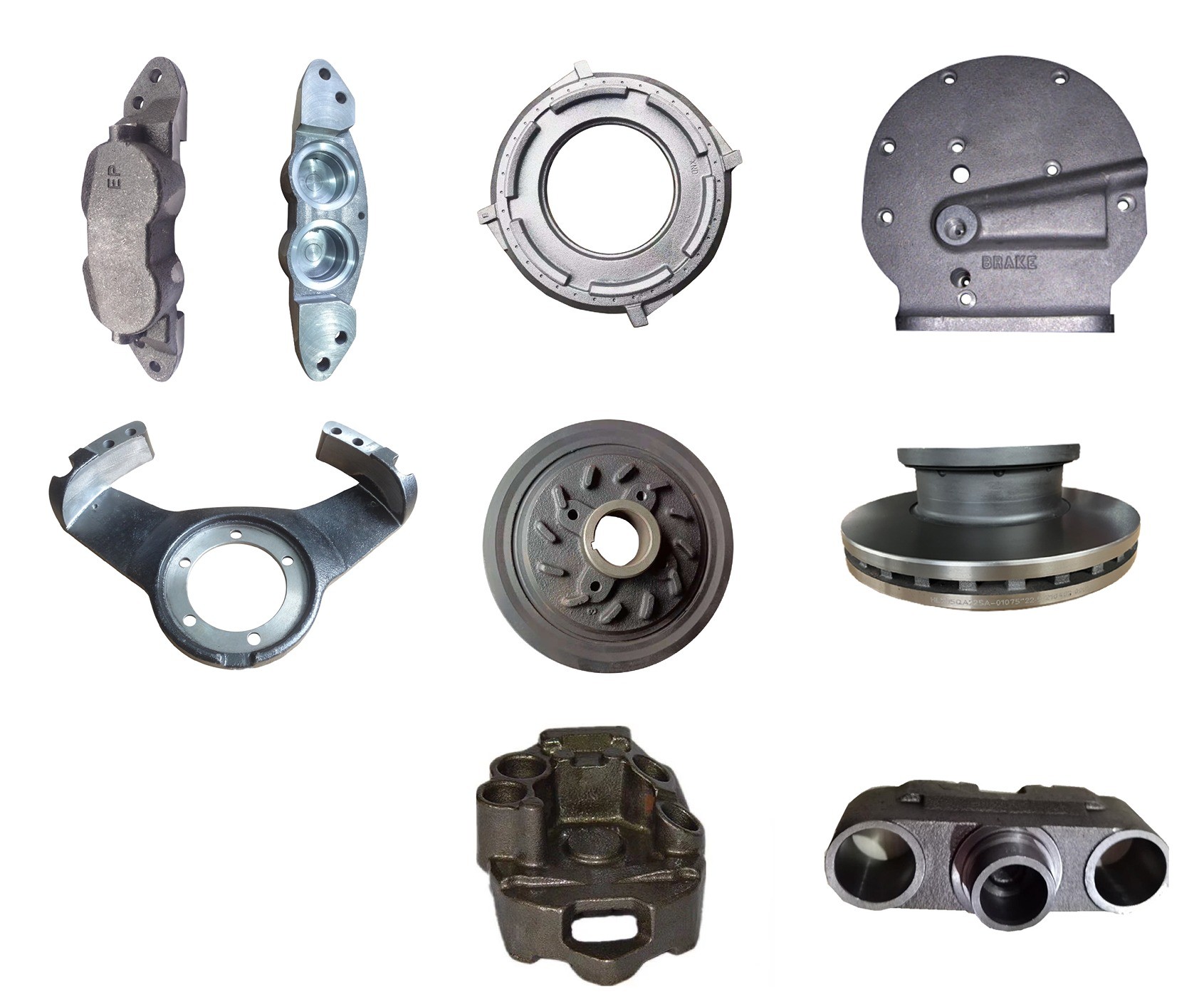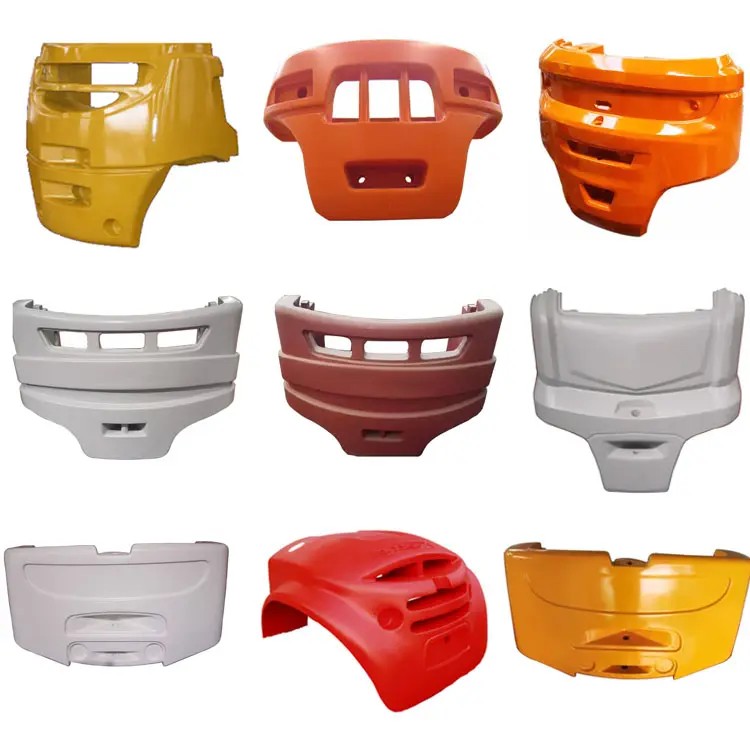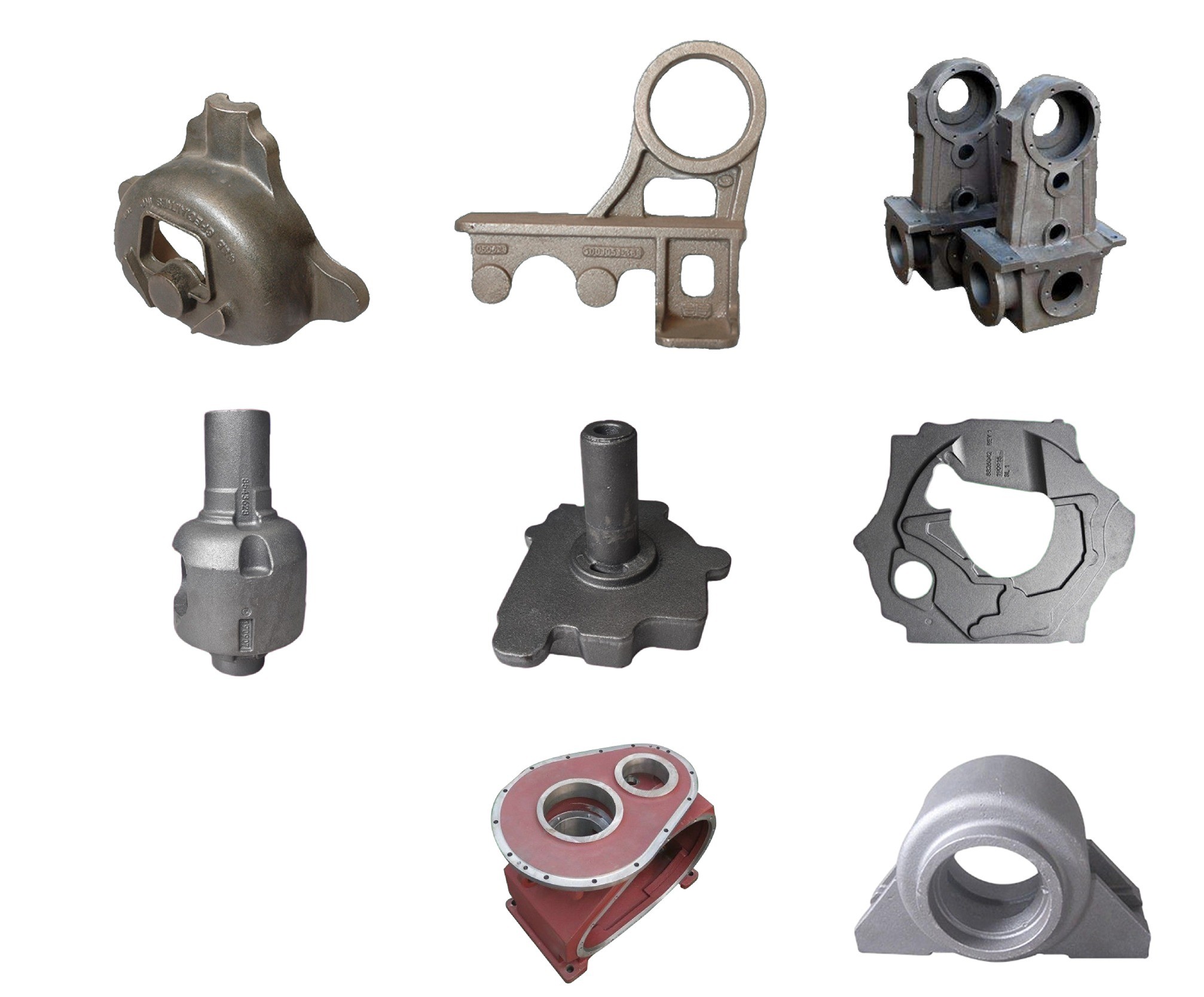
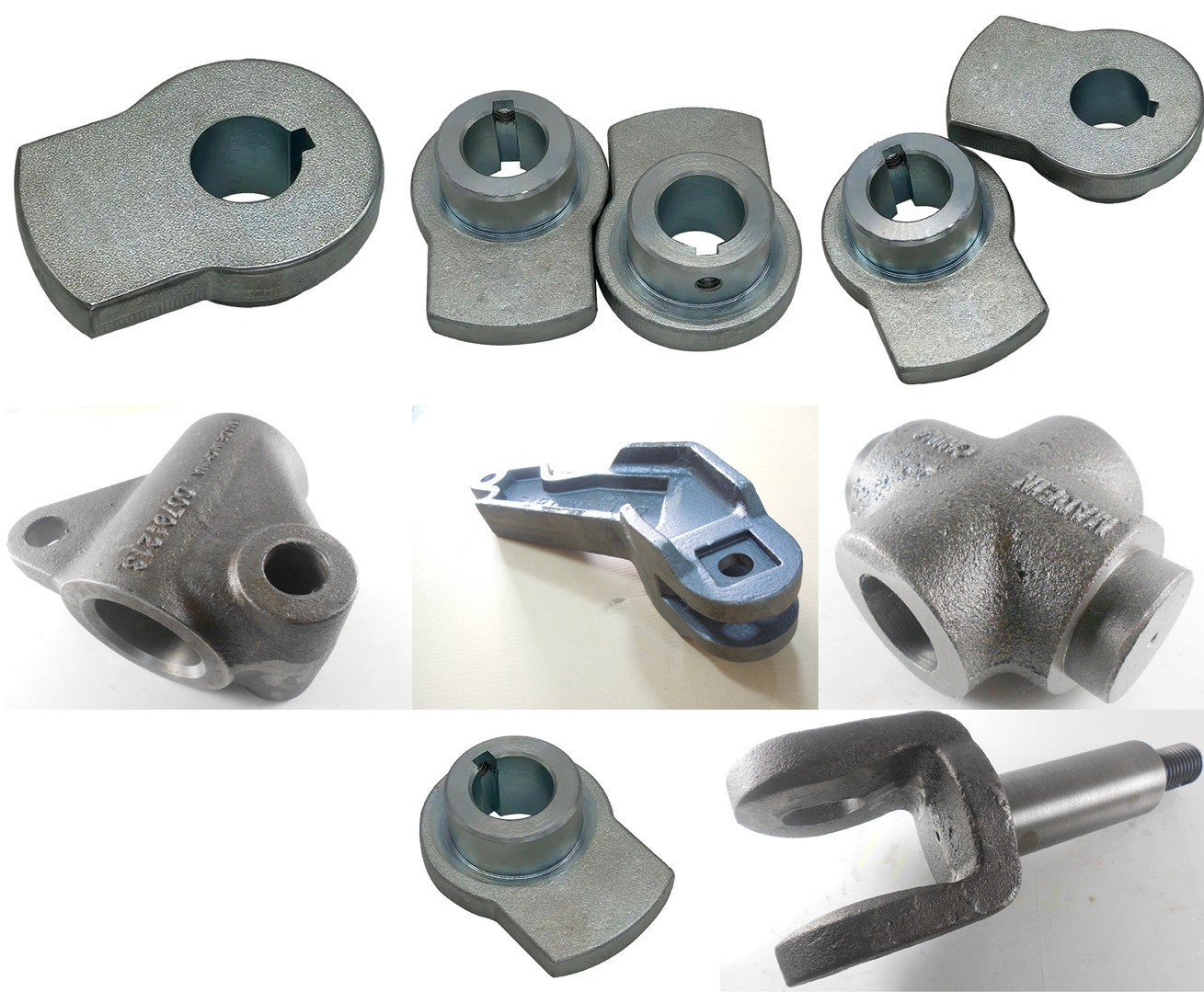
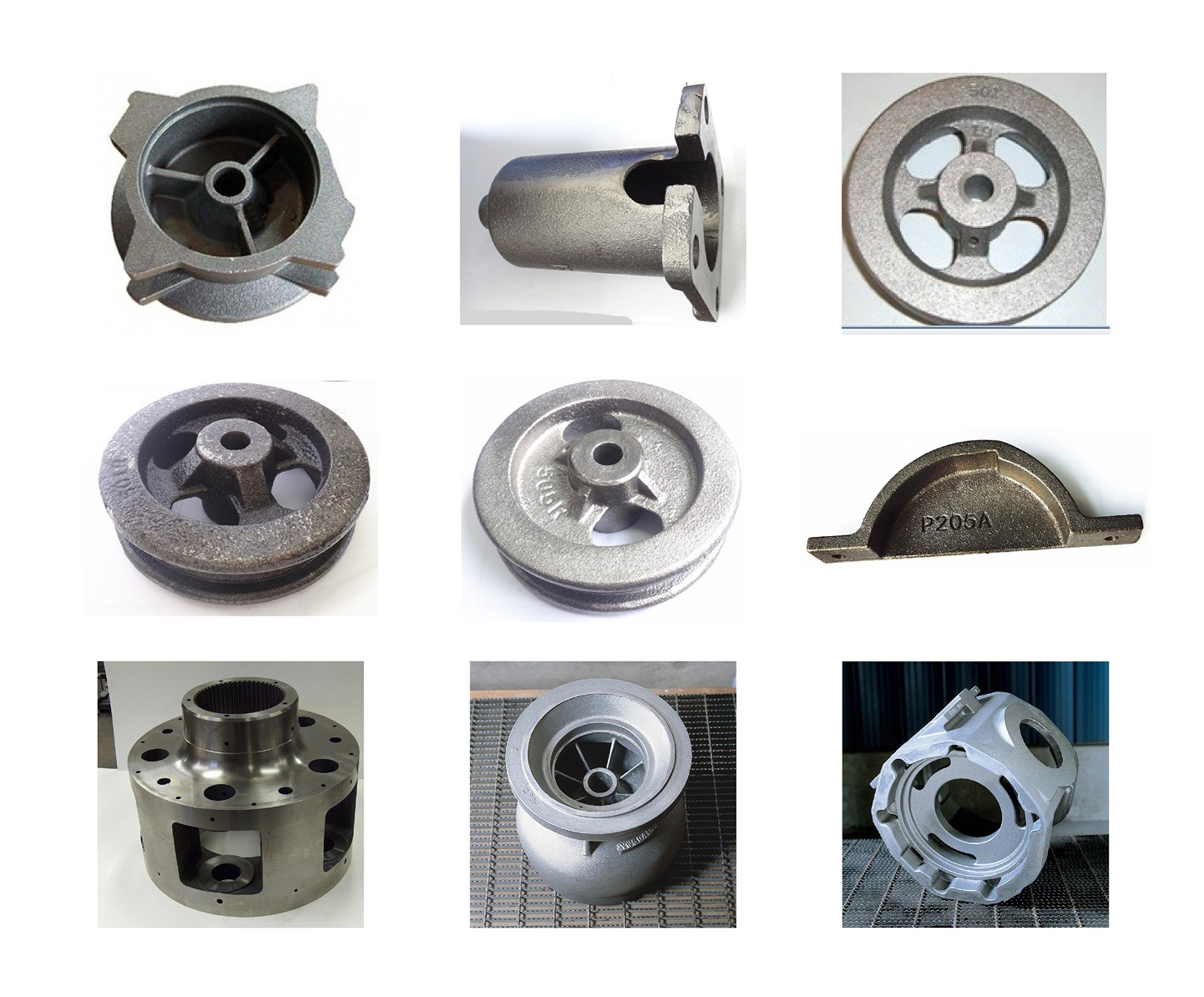
Other Industries Parts

Description
Key features
Comprehensive Material Selection
Extensive material options accommodate diverse application requirements. Aluminium provides excellent strength-to-weight ratios for components requiring weight reduction without compromising structural integrity. Stainless steel offers superior corrosion resistance for demanding environments. Brass and copper deliver excellent thermal and electrical conductivity properties. Carbon and alloy steels provide strength for high-stress applications. Engineering plastics including POM, PVC, PEEK and PU offer chemical resistance and dimensional stability. Titanium components suit extreme temperature and corrosion-resistant applications. Iron, spring steel and bronze complete the material range ensuring optimal properties for specific industrial requirements.
Advanced Processing Capabilities
Multiple manufacturing processes ensure optimal production methods for each component type. Casting creates complex geometries with excellent material properties. CNC machining delivers precise tolerances including lathe operations, turning, and 3/4/5 axis milling for intricate features. Wire-cutting provides accurate profiles in hard materials. EDM (Electrical Discharge Machining) produces complex cavities and intricate details. Grinding operations achieve superior surface finishes. Drilling and tapping operations complete assembly-ready components. This integrated approach combines processes to produce finished parts meeting exact specifications.
Extensive Surface Treatment Options
Comprehensive finishing capabilities enhance component performance and aesthetics. Anodising provides corrosion protection and decorative finishes for aluminium. Heat treatment optimises material properties and stress relief. Painting and powder coating deliver durable protective layers with various colour options. Black oxide treatment provides corrosion resistance for ferrous materials. Silver and gold plating offer superior electrical conductivity and appearance. Electrolytic polishing creates smooth, contamination-free surfaces. Nitriding increases surface hardness and wear resistance. Phosphating provides corrosion protection and paint adhesion. Sandblasting prepares surfaces and creates uniform textures. Nickel, zinc, chrome and TiCN plating deliver specific protective and functional properties for demanding applications.
Rigorous Quality Control
Comprehensive inspection procedures ensure consistent part quality. For small quantities, 100% full inspection verifies every component meets specifications before delivery. Mass productions implement ISO sampling inspection protocols maintaining quality standards whilst enabling efficient production flow. Dimensional verification confirms tolerances to drawing requirements. Surface finish evaluation ensures coating and treatment quality. Material certification validates composition and properties. Functional testing confirms performance characteristics. Complete documentation provides traceability throughout manufacturing process.
FAQs
What industries are supported?
JEAKUE serves diverse industrial sectors with precision cast components. Oil and gas retail stations receive fuel dispenser parts requiring durability and precision. HVAC systems and air compressors utilise structural parts manufactured to exacting tolerances. Industrial automation incorporates mobile robotic parts designed for demanding operational cycles. Piping and fluid systems employ flanges and joint fittings ensuring leak-free connections. Power tool manufacturers source components combining strength with weight optimisation. Electric motor applications across various industries benefit from precision-cast parts. This breadth demonstrates capabilities across sectors requiring reliable, high-quality cast components manufactured to customer specifications.
What drawing formats are accepted?
JEAKUE accepts comprehensive drawing formats facilitating seamless project initiation. PDF files provide universal compatibility for technical drawings and specifications. DWG format enables direct CAD integration with AutoCAD systems. CAD files from various platforms ensure compatibility with customer design environments. DXF format offers cross-platform data exchange capabilities. STEP files provide 3D model data with precise geometric information. IGS (IGES) format ensures compatibility with different CAD systems. This flexibility accommodates diverse customer workflows and design tools, eliminating format conversion challenges and maintaining design intent throughout manufacturing process.
What processing methods are available?
Multiple processing methods ensure optimal manufacturing approaches for each component. Casting creates complex shapes with excellent material properties using investment, die or sand casting processes. CNC machining delivers precision tolerances through computer-controlled operations. CNC lathe and turning operations produce cylindrical features with tight tolerances. 3-axis, 4-axis and 5-axis CNC milling creates complex geometries and intricate details. Wire-cutting (wire EDM) provides accurate profiles in hardened materials. EDM produces complex cavities and fine details impossible with conventional machining. Grinding achieves superior surface finishes and precise dimensions. Drilling creates accurate hole locations and sizes. Tapping produces threads for assembly requirements. This comprehensive capability set ensures appropriate process selection for optimal results.
How is quality controlled?
Quality control adapts to production volume ensuring consistent standards. Small quantity orders receive 100% full inspection where every component undergoes complete dimensional verification, surface finish evaluation, material certification and functional testing before shipment. This comprehensive approach guarantees absolute quality for prototype, small batch and critical applications. Mass production implements ISO sampling inspection protocols where representative samples undergo rigorous testing according to international standards. Statistical process control monitors production trends. Random sampling verifies ongoing quality. Batch documentation provides complete traceability. This systematic approach maintains quality standards whilst enabling efficient high-volume production.
Are custom specifications accommodated?
Yes, JEAKUE processes components based on supplied samples or drawings enabling complete customisation. Engineering team reviews customer specifications considering material selection, manufacturing processes, dimensional tolerances and surface treatments. DFM (Design for Manufacturing) consultation optimises designs for production efficiency whilst maintaining required functionality. Custom tooling and fixtures developed as needed for specific geometries. Material substitution recommendations offered when alternatives provide improved performance or cost benefits. Surface treatment selection guided by application requirements. Tolerance adjustments discussed to balance functionality with manufacturing capabilities. This collaborative approach ensures components meet exact requirements whilst optimising manufacturing efficiency and cost-effectiveness throughout the complete production process.
Download
Video