For decades, the soundtrack of a bustling airport apron has been a cacophony of diesel engines. From baggage tugs and belt loaders to pushback tractors and ground power units, the Ground Support Equipment (GSE) fleet has traditionally been a significant—and often overlooked—contributor to the aviation industry’s carbon footprint. However, a silent revolution is underway. As airlines face mounting pressure to meet net-zero targets, the tarmac is becoming a proving ground for electric innovation, fundamentally reshaping how we move people, luggage, and cargo on the ground.
The Environmental Imperative
The numbers paint a stark picture. While aircraft emissions dominate the climate conversation, GSE accounts for approximately 5% to 10% of an airport’s total localized emissions. More critically, because these vehicles operate at ground level in close proximity to boarding gates and maintenance hangars, they are a primary source of localized air pollution—specifically nitrogen oxides (NOx) and particulate matter (PM)—that directly impacts the health of ground crews and surrounding communities.
With the International Air Transport Association (IATA) committing to net-zero carbon emissions by 2050, ground operations have become a low-hanging fruit for decarbonization. Unlike aircraft propulsion, which requires breakthrough battery technologies to support heavy long-haul flights, GSE operates in a contained environment with predictable duty cycles, making it an ideal candidate for immediate electrification.
The Technology Driving the Shift
The modern electric GSE fleet is a far cry from the clunky lead-acid battery carts of the 1990s. The convergence of three key technologies is accelerating this transition:
-
Lithium-ion Batteries: Modern GSE relies on high-density lithium-ion packs that offer rapid charging, extended runtimes, and significantly lower maintenance costs compared to traditional flooded batteries. These systems can often be opportunity-charged during short turnaround windows, ensuring 24/7 operational availability.
-
High-Efficiency Motors: Brushless AC motors and permanent magnet technology provide the high torque required to push a 200-ton aircraft backward while consuming a fraction of the energy of hydraulic diesel systems. Regenerative braking systems are also being integrated, recapturing energy during deceleration.
-
Smart Fleet Management: The integration of IoT (Internet of Things) telematics allows ground handlers to monitor battery health, charge status, and maintenance needs in real-time, optimizing fleet utilization and preventing unexpected downtime.
Types of Equipment Undergoing Transformation
The electrification wave is touching virtually every category of GSE:
-
Ground Power Units (GPUs): Traditionally diesel generators, electric GPUs now connect directly to airport microgrids or battery packs to provide clean 400Hz power to aircraft at the gate, eliminating the need to run auxiliary power units (APUs) during boarding.
-
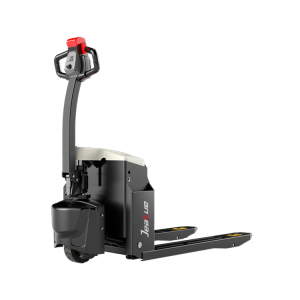
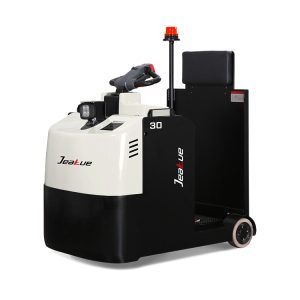
Baggage Tractors and Towbars: These workhorses of the ramp are being replaced by silent, high-torque electric models capable of towing up to 60,000 pounds, dramatically reducing noise pollution in early morning hours.
-
Passenger Boarding Stairs and Belt Loaders: Compact electric hydraulic systems allow for precise positioning without the smell and noise of diesel exhaust, improving the passenger experience and crew morale.
-
Pushback Tractors: Perhaps the most challenging application, electric pushbacks are now viable thanks to advanced battery systems that deliver short bursts of immense power required for breaking the static friction of an aircraft’s landing gear.
The Economic Case: Beyond Green Credentials
While environmental concerns drive the narrative, the business case for electrification is equally compelling. Although the upfront capital expenditure for an electric tug can be 30-50% higher than its diesel counterpart, the total cost of ownership (TCO) over a 10-year lifecycle tells a different story. Electric GSE typically offers:
-
70-80% reduction in energy costs (electricity vs. diesel).
-
Significantly lower maintenance costs due to fewer moving parts and no need for oil changes, fuel filters, or exhaust after-treatment systems like DEF (Diesel Exhaust Fluid).
-
Increased uptime due to simplified drivetrains and remote diagnostics.
For airports operating under strict curfew regulations, the near-silent operation of electric equipment also allows for extended nighttime logistics operations without disturbing neighboring residential areas, adding an intangible revenue benefit.
Challenges on the Runway
Despite the momentum, the transition is not without turbulence. The primary hurdles include:
-
Infrastructure Investment: Retrofitting airports with high-capacity charging stations requires massive grid upgrades. An airport with 300 electric tugs may require a dedicated substation capable of delivering several megawatts of power simultaneously.
-
Battery Longevity: While lithium-ion technology has improved, the heat and vibration extremes of tarmac operations can degrade batteries faster than in automotive applications, necessitating robust thermal management systems.
-
Operational Range Anxiety: Although GSE cycles are predictable, unexpected delays (e.g., a 4-hour mechanical hold) can strain battery reserves, requiring a strategic mix of fast-chargers and swappable battery pools.
-
Fleet Standardization: With multiple manufacturers adopting different charging protocols and voltages, airports face the risk of “charger sprawl,” where they must maintain disparate infrastructure for different OEMs.
The Future: Autonomy and Integration
The electrification of GSE is not the final destination; it is the foundation for a fully automated ground operation. As electric powertrains provide precise control and digital telemetry, the industry is moving toward autonomous baggage tugs and remote-controlled pushbacks. When combined with AI-driven dispatch systems, electric GSE will not only be cleaner but also more efficient, reducing taxi-out times and minimizing congestion on the ramp.
Furthermore, the concept of “Vehicle-to-Grid” (V2G) is emerging, where fully charged GSE batteries can feed power back into the airport grid during peak demand, turning the GSE fleet into a mobile energy storage asset.
Conclusion
The shift toward electric Ground Support Equipment represents a paradigm change far greater than replacing a fuel tank with a battery. It signals a holistic rethinking of airport logistics—one that prioritizes air quality, worker safety, and operational efficiency alongside environmental stewardship. While challenges of infrastructure and cost remain, the trajectory is clear. The future of the tarmac is electric, silent, and undeniably smarter. As the aviation industry strives to achieve its green ambitions, the revolution in ground operations serves as a powerful reminder that sustainable aviation begins long before the wheels leave the runway.