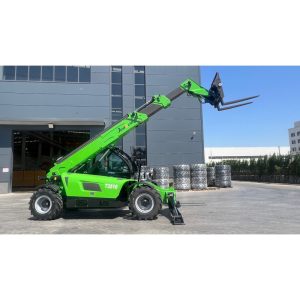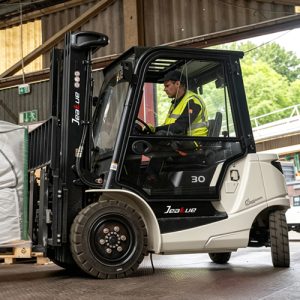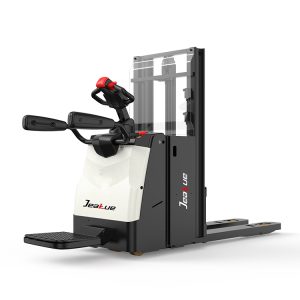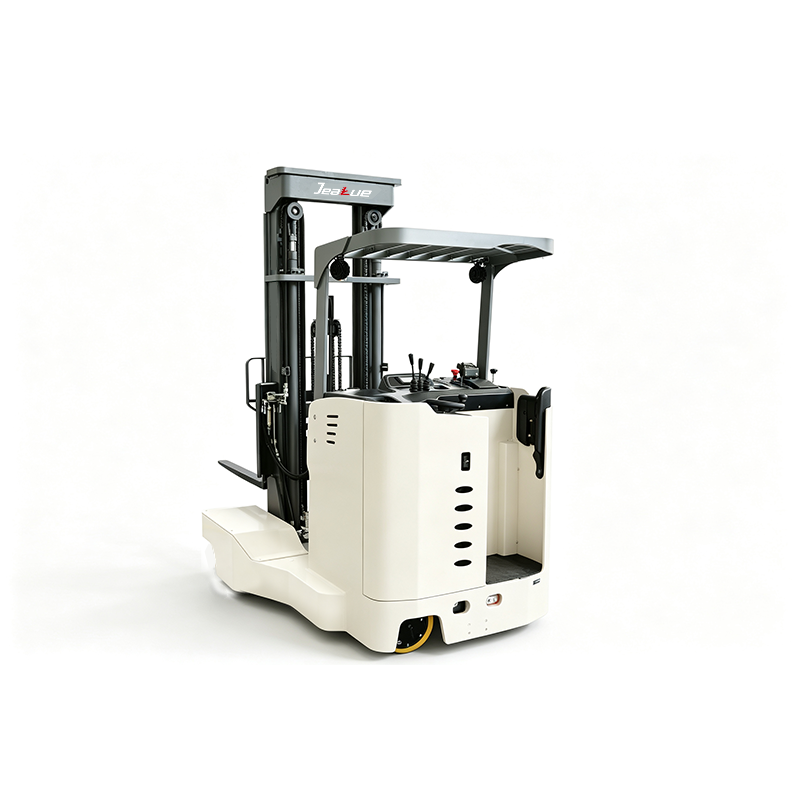
For decades, the industrial landscape was defined by a clear divide: internal combustion (IC) forklifts dominated the rugged outdoors, while electric models reigned supreme in the clean, quiet confines of warehouses. However, this paradigm is shifting rapidly. The outdoor electric forklift is no longer a novelty; it is becoming a powerhouse in construction sites, lumber yards, and shipping ports. Thanks to groundbreaking advancements in battery technology and design, the electric forklift is finally ready to brave the elements.
The Challenge of the Outdoors
Traditionally, electric forklifts were confined to indoor use for several reasons. They lacked the torque needed to navigate uneven terrain, mud, or gravel. Their pneumatic tires were often too soft for rough ground, and their battery life was insufficient for the long, heavy-duty shifts required in outdoor applications. Furthermore, exposure to rain and dust posed significant risks to the sensitive electrical components. IC forklifts, with their raw power, high ground clearance, and refueling speed, were the only viable option for heavy outdoor work.
Technological Breakthroughs
The modern outdoor electric forklift has overcome these hurdles through a combination of engineering innovations. The most significant change is the shift from lead-acid to lithium-ion (Li-ion) battery technology. Lithium-ion batteries offer higher energy density, meaning they can store more power in a smaller space. They also provide consistent power output until fully depleted, unlike lead-acid batteries, which lose power as they drain. This ensures that the forklift can maintain the necessary lifting speed and torque even after hours of use.
Additionally, manufacturers have designed ruggedized electric models with sealed electrical systems, IP-rated motors, and higher ground clearance. These machines are equipped with pneumatic or solid pneumatic tires that can handle gravel, dirt, and curbs. Regenerative braking systems also play a crucial role, capturing energy during deceleration to extend the battery life, a massive advantage for stop-and-go outdoor operations.
Environmental and Economic Benefits
The shift toward outdoor electric forklifts is driven by more than just performance; it is a strategic business decision. The environmental benefits are undeniable. Electric forklifts produce zero tailpipe emissions, which is vital for companies aiming to meet sustainability goals and reduce their carbon footprint.
Economically, the advantages are compelling. While the upfront cost of an electric forklift may be higher, the total cost of ownership (TCO) is significantly lower. Electricity is generally cheaper than diesel or propane. Furthermore, electric motors have fewer moving parts than internal combustion engines, resulting in reduced maintenance costs. There is no need for oil changes, filter replacements, or complex engine repairs. In indoor-outdoor facilities, the lack of exhaust fumes also eliminates the need for costly ventilation systems.
The Future of Material Handling
As battery technology continues to improve, offering faster charging times and longer runtimes, the outdoor electric forklift is poised to become the standard. Major manufacturers are investing heavily in this sector, producing models with lifting capacities that rival their diesel counterparts.
The outdoor electric forklift represents a convergence of durability and sustainability. It proves that industries no longer have to choose between the power required for outdoor work and the environmental benefits of electric power. As we move toward a greener future, the roar of the diesel engine outdoors will increasingly be replaced by the quiet, efficient hum of electric power.