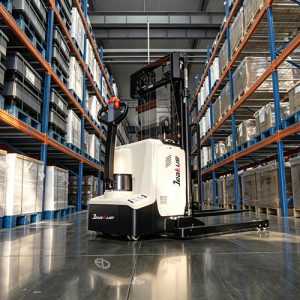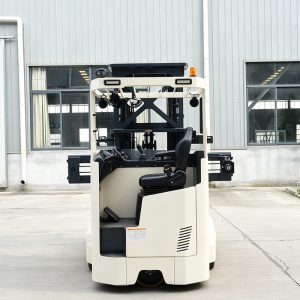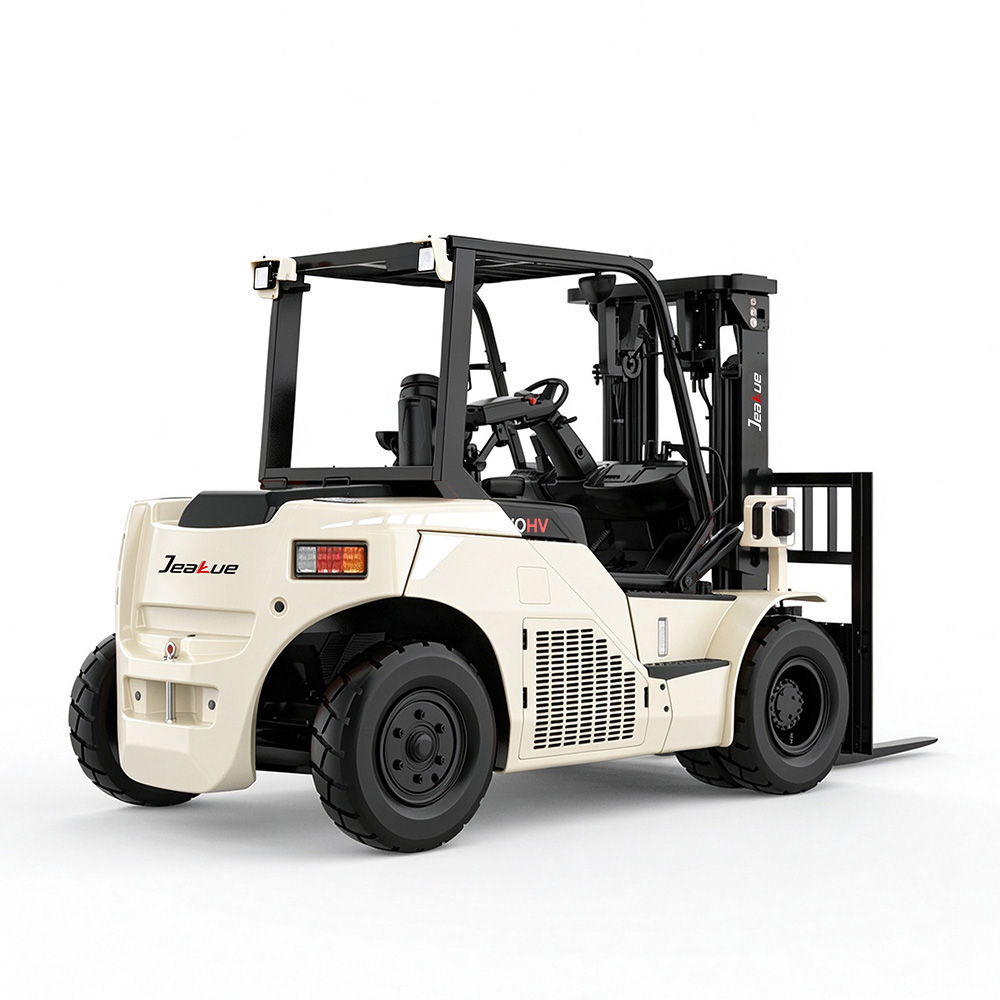
In the modern warehouse, the order picker with an elevating platform occupies a unique and increasingly vital niche. Unlike a standard forklift that moves pallets while the operator remains at floor level, this machine lifts the operator to the goods. It bridges the gap between high-speed ground-level picking and the occasional need to access the first or second racking level without the expense and complexity of a full high-level order picker. As labor costs rise and warehouses seek to maximize every cubic meter of vertical space, the platform-equipped order picker has evolved from a simple convenience into a strategic asset for efficient piece-picking operations.
Defining the Category and Its Core Advantages
The defining characteristic of this equipment is the operator platform, which elevates independently or in tandem with the load-handling forks. This design directly addresses the ergonomic and efficiency shortcomings of traditional ground-level picking. In operations where stock is stored on two or three racking levels, forcing an operator to repeatedly climb ladders or use separate access equipment creates bottlenecks and introduces unnecessary safety risks. A low-level order picker with an elevating platform, such as the Toyota Optio L-series, allows the operator to remain on the machine while the platform rises to a picking height of up to 2.8 meters . This seamless transition between ground-level travel and elevated picking eliminates the time wasted dismounting and searching for a ladder.
Furthermore, the integration of lifting forks alongside the platform offers a significant ergonomic benefit. Models like the Toyota Optio OSE120P feature lifting forks that can raise a pallet to an optimal working height, reducing the need for the operator to bend and stretch when depositing picked items . Similarly, the Linde N20 C LX utilizes a scissor lift design to bring two Euro pallets to a comfortable height, protecting the operator’s back during high-frequency picking tasks . This dual-functionality—lifting both the operator and the load—transforms the order picker from a simple transport vehicle into a mobile, height-adjustable workbench.
Key Design Features and Operational Realities
When evaluating an order picker with a platform, several technical specifications directly impact productivity and safety. The first consideration is the entry and exit design. Because operators in fast-moving pick-and-pack environments may mount and dismount dozens of times per shift, a low step-in height is critical. The Linde V08 series, for instance, features an entry height of just 14.5 centimeters, minimizing fatigue and speeding up transitions . A wide access area and ample storage for scanners, clipboards, and packaging materials further streamline the workflow.
Safety systems are equally paramount, as the operator is elevated with the load. Modern units incorporate automatic speed reduction based on platform height and steering angle. The CLARK MPT03, for example, automatically adjusts its driving speed when the platform is raised and locks safety bars into place to prevent falls . The Linde V08 goes a step further by utilizing the entire platform floor as a dead-man’s switch; if the operator steps off or loses footing, the machine brakes automatically . These features are not merely regulatory checkboxes but essential protections that allow operators to focus on picking accuracy rather than balancing on a moving surface.
The Shift Toward Lithium-Ion and Multi-Shift Viability
The operational profile of an order picker—frequent starts, stops, and intermittent lifting—places unique demands on its power source. Traditionally, lead-acid batteries required dedicated charging rooms and time-consuming battery swaps mid-shift, limiting fleet availability. The industry is rapidly transitioning toward lithium-ion technology to address this. The Toyota Optio L-series offers both lead-acid and Li-ion options, with the latter enabling opportunity charging during breaks . This capability is particularly transformative for multi-shift operations. As noted in industry comparisons, lithium batteries maintain stable voltage from the first pick to the last, ensuring that picking speed does not degrade as the battery discharges, and they eliminate the need for spare batteries and the labor associated with swapping them . For a warehouse running two or three shifts, the ability to plug in during a lunch break and continue at full power is a significant competitive advantage.
Conclusion: The Right Tool for the Middle Ground
The order picker with an elevating platform is not a compromise; it is a precision tool for a specific and common warehouse reality. It serves operations that have outgrown pure ground-level picking but do not require the towering reach of a high-level man-up machine. By combining the travel speed of a low-level picker with the reach of an elevating platform, and by integrating ergonomic features that protect the operator, these machines deliver measurable gains in productivity and safety. As warehouses continue to densify and labor markets tighten, the decision to invest in a platform-equipped order picker is less about buying a vehicle and more about designing a more efficient and sustainable picking process.