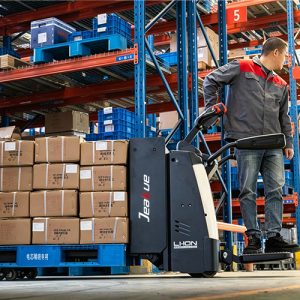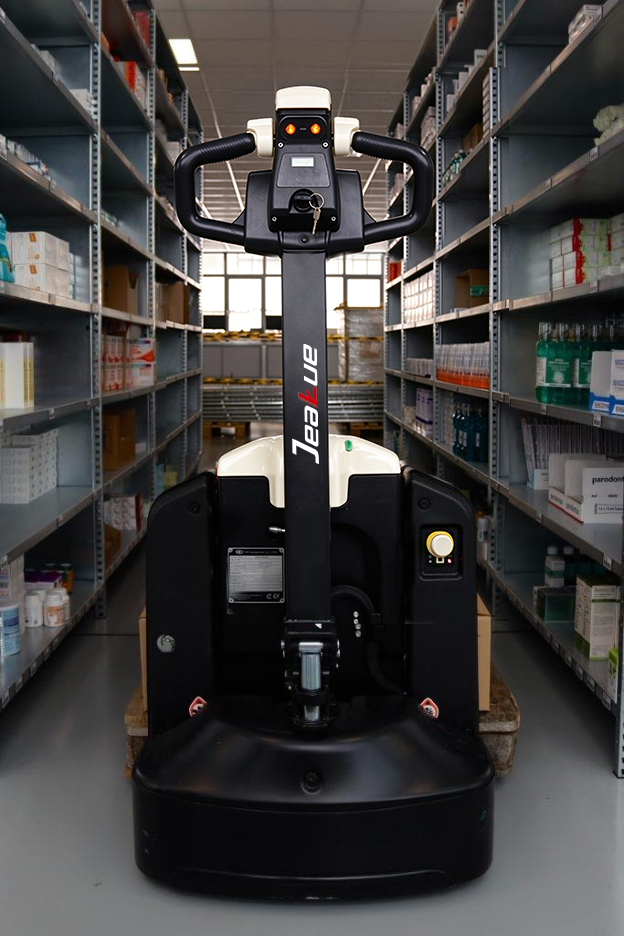
The lithium battery three wheel electric forklift represents a significant evolution in material handling equipment, combining the maneuverability of a three-wheel design with the efficiency and sustainability of lithium-ion power. This class of forklifts has gained substantial traction in recent years as warehouses and distribution centers seek to optimize space utilization while reducing their carbon footprint.
Design Advantages and Maneuverability
The defining characteristic of the three-wheel electric forklift is its rear-wheel drive configuration, which enables a significantly smaller turning radius compared to four-wheel models. This design allows operators to navigate narrow warehouse aisles and confined spaces with remarkable ease, maximizing storage density in facilities where every square meter counts . The three-point support structure provides excellent agility, making these forklifts particularly suitable for high-density storage environments and applications requiring frequent directional changes.
Load capacities typically range from 1.6 to 2.0 tonnes at a 500mm load center, positioning these vehicles for light to medium-duty applications . This capacity range aligns well with the needs of most warehouse operations, where palletized goods rarely exceed two tonnes. The compact dimensions of three-wheel models also facilitate operation in containers, trailers, and other constrained environments that would be challenging for larger equipment.
Lithium-Ion Technology Integration
The shift from lead-acid to lithium-ion battery technology has been transformative for electric forklift performance. Modern lithium battery three wheel forklifts leverage lithium iron phosphate (LiFePO4) cell chemistry, which offers high levels of safety and longevity . This chemistry provides superior thermal stability compared to other lithium formulations, addressing a critical safety concern in industrial environments.
The operational benefits of lithium-ion power are substantial. These batteries last two to three times longer than traditional lead-acid alternatives and require virtually no maintenance . The elimination of watering routines and battery equalization procedures frees up labor resources and reduces the risk of human error in battery care. Furthermore, lithium batteries support opportunity charging, allowing operators to recharge during breaks and shift changes without full discharge cycles, thereby improving fleet availability and reducing the need for battery swapping infrastructure .Charging times have been dramatically reduced as well. Depending on the model and charger capacity, a full charge can be achieved in approximately two hours, with some integrated systems achieving complete charging in under an hour . This rapid turnaround capability is particularly valuable for multi-shift operations where equipment utilization rates directly impact productivity.
Operational Efficiency and Cost Considerations
From a total cost of ownership perspective, lithium battery three wheel forklifts present a compelling case despite higher upfront acquisition costs. The extended battery lifespan—often backed by warranties of five years or 10,000 operating hours—translates to lower replacement costs over the equipment‘s service life . Reduced maintenance requirements further lower operational expenses, as lithium batteries eliminate the need for watering systems, ventilation equipment, and the personal protective equipment required for handling lead-acid batteries.
Energy efficiency is another advantage. Lithium batteries deliver consistent power output throughout the discharge cycle, unlike lead-acid batteries that experience voltage sag as they deplete . This consistent performance ensures that forklift lifting and travel speeds remain stable regardless of battery state of charge, maintaining productivity levels throughout the work period.
The digital integration capabilities of modern lithium battery forklifts also contribute to operational efficiency. Telematics systems allow fleet managers to monitor battery health, track usage patterns, and schedule preventative maintenance based on actual data rather than fixed intervals . This data-driven approach to fleet management can identify underutilized assets and optimize equipment deployment across multiple sites.
Market Trends and Future Outlook
The global three-wheel electric counterbalance forklift market is projected to experience steady growth, with forecasts indicating a compound annual growth rate of approximately 5-8% through 2032 . This growth is driven by warehouse modernization initiatives, tightening emissions regulations, and the expanding capabilities of electric drivetrains.
Manufacturers are increasingly designing forklifts specifically around lithium-ion technology rather than adapting lead-acid platforms. This approach allows for optimized weight distribution, reduced component count, and improved ergonomics . The trend toward purpose-built lithium platforms is expected to accelerate as competition intensifies and customers demand greater efficiency gains.
The ongoing electrification of material handling equipment represents a fundamental shift in how warehouses and distribution centers operate. As battery technology continues to advance and charging infrastructure becomes more widespread, the lithium battery three wheel electric forklift is positioned to become the dominant solution for indoor and light-duty outdoor material handling applications.