In the high-stakes world of distribution, the fleet is the heartbeat of the operation. It’s not just about moving goods from point A to point B; it’s about the intricate dance of managing assets, people, and time across a bustling hub. In a busy distribution center (DC), the “fleet” includes everything from the lift trucks navigating the warehouse floor to the yard trucks staging trailers and the delivery vans heading out for last-mile delivery.
When a fleet operates efficiently, the entire supply chain sings. When it stumbles, the ripple effects cause delays, increase costs, and frustrate customers. Mastering fleet management in this environment requires a shift from reactive maintenance to proactive, data-driven strategy.
1. The Foundation: Visibility and Data-Driven Decision Making
You can’t manage what you can’t see. In busy DCs, a common pitfall is operating with “blind spots,” where data lives in separate systems, making it difficult to get a clear picture of asset utilization. This lack of visibility often leads to guesswork, which, in a high-volume environment, translates directly to inefficiency.
Best practice dictates investing in a centralized fleet management system. This gives managers real-time insight into equipment performance, run time, and location. For example, telematics systems—now often standard on equipment like lift trucks—provide core data such as key hour meters, impact detection, and error codes. This allows managers to identify if expensive trucks are sitting idle while others are overworked and wearing out prematurely. As one industry expert noted, “Companies need clearer insight into how their fleets operate… When they understand actual run time, equipment use and what drives day-to-day costs, they can make better decisions and get more value from every lift truck”.
The goal is to move beyond spreadsheets and establish a “single source of truth” that provides a real-time view of all assets, from yard tractors to forklifts.
2. The Inside Game: Optimizing the Warehouse Fleet
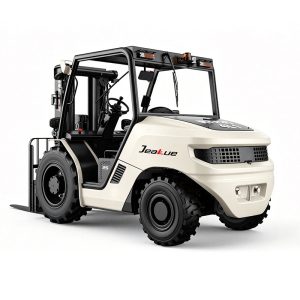
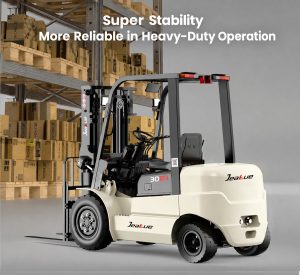
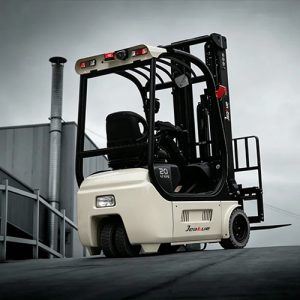
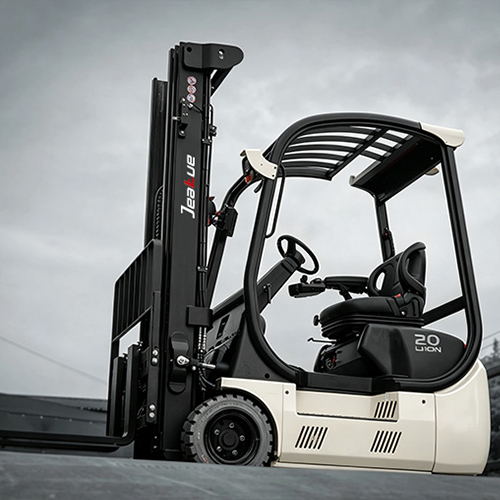
The internal fleet—forklifts, pallet jacks, and Autonomous Mobile Robots (AMRs)—is the engine room of a DC. Their efficiency directly impacts picking, packing, and loading speeds.
A. Data-Driven Maintenance: Moving from Reactive to Predictive
Downtime is the enemy. Waiting for a technician to pull an error code and diagnose a problem is a luxury busy DCs cannot afford. Predictive maintenance is a game-changer. By using telematics data to predict part failures before they happen, operations can reduce unplanned downtime and the exorbitant cost of emergency repairs.
Furthermore, establishing clear, realistic performance metrics is critical. A recent study in a real-world DC setting found that their existing KPIs for picking and loading were “infeasible” based on detailed time studies. They recommended adjusting KPIs—for example, decreasing the loading standard from 20 pallets per hour to 7-8—to set achievable goals and better identify process bottlenecks.
B. The Right Tool for the Right Job: Fleet Sizing and Mix
Defining the fleet size and mix is a constant balancing act. The goal is to meet expected demand without an excessive number of vehicles or inappropriate vehicle types. This decision involves analyzing the frequency of deliveries, the quantity to be moved, and the specific characteristics of the routes or processes they support.
When considering new technology like Autonomous Mobile Robots (AMRs), a simulation-driven approach is recommended. Given the significant capital investment, companies can use a “digital twin” to model their DC environment, test different fleet sizes and configurations, and coordinate charging instances to prevent production stops before making a purchase.
3. The Transition Zone: Yard Management as a Strategic Link
The yard is often the most chaotic yet critical part of a DC. It’s the connecting tissue between inbound carriers and the warehouse itself. As a logistics executive stated, “You can’t manage the four walls if you aren’t managing the dock and inbound movements”.
A. Master the Inbound Schedule
An unstructured yard is a recipe for bottlenecks. Facilities should leverage an appointment system to coordinate with carriers. This prevents trailers from arriving outside of a scheduled window and helps prioritize loads based on urgency (e.g., “live unload” vs. “drop and hook”).
Advanced scheduling goes a step further. A 2025 study on cross-docking terminals proposed a dynamic inbound truck scheduling model that uses pre-identified parcel information to balance workload across the outbound docks. This approach was shown to reduce average truck waiting time by 17% to 18% compared to conventional “First-In-First-Out” methods, alleviating critical bottlenecks.
B. Make it Simple and Predictable
Yards should be designed for clarity. Clear and large signage, visible dock door numbers, and a documented map with instructions for drivers are essential to prevent confusion. A common mistake is assuming drivers are familiar with the nuances of the yard.
To further optimize flow, assign specific dock doors to certain carriers or load types. For instance, designating an “Amazon door” creates repetition, helping drivers “reflexively know where to go,” which reduces delays and the risk of trailers being dropped in the wrong location.
C. Use Technology to Automate Checks
Manual yard checks are time-consuming and prone to error. Leveraging technology like computer-vision-based yard management systems can significantly speed up processing. Cameras capture carrier and unit information as equipment enters the facility, automatically checking in trailers and logging shipments in the Warehouse Management System (WMS). This “eliminates human error, waste, and labor time”.
4. The Outbound Journey: Applying Smart Economics
A. The Route to Profitability
Once goods are on outbound trucks, route optimization becomes the primary lever for controlling costs. With rising fuel prices and tight margins, every extra mile counts.
Optimizing routes involves more than just finding the shortest path. Planners must consider a complex mix of variables: delivery time windows, vehicle capacity, road traffic, and geographic restrictions. While this can be done manually for very small operations, the complexity of a busy DC necessitates sophisticated software tools that can process these variables in seconds to create efficient delivery plans.
B. Dynamic Pricing and Cost-to-Serve
A sophisticated fleet management strategy recognizes that no two delivery orders are the same in cost-to-serve. Factors like order volume, delivery timing, and specific route constraints can make one delivery far more expensive than another.
Leading fleets use this data to implement dynamic pricing models that align customer pricing with the actual cost of fulfillment. By moving away from a “blended average” cost model, companies can protect margins, even when input costs fluctuate.
Conclusion
The future of fleet management in busy distribution centers is here. It is predictive, connected, and hyper-optimized. By embracing data-driven visibility, proactive maintenance, smart yard management, and advanced route optimization, operations can transform their fleet from a source of cost and complexity into a strategic competitive advantage. The key is recognizing that every piece of data—from a lift truck’s hour meter to a yard camera’s feed—is a tool to control costs, boost productivity, and deliver on the promise of speed and reliability.