The Shift from Lead-Acid to Lithium-Ion
For decades, the material handling industry ran on a predictable rhythm: the 8-hour shift, the 15-minute battery change, and the cavernous, acid-fumed charging room. Lead-acid batteries were the only option. But as profit margins tighten and sustainability goals loom, a quiet revolution is taking place on warehouse floors.
This case study examines a real-world scenario faced by a medium-sized regional food distributor (referred to as “FreshLink Logistics”). Facing rising operational costs and a bottleneck in their cold storage division, they swapped their 20-forklift fleet from lead-acid to lithium-ion power. The result was a 28% reduction in energy-related operating costs and a full Return on Investment (ROI) achieved in just 18 months.
The Problem: The Hidden Cost of “Cheap” Batteries
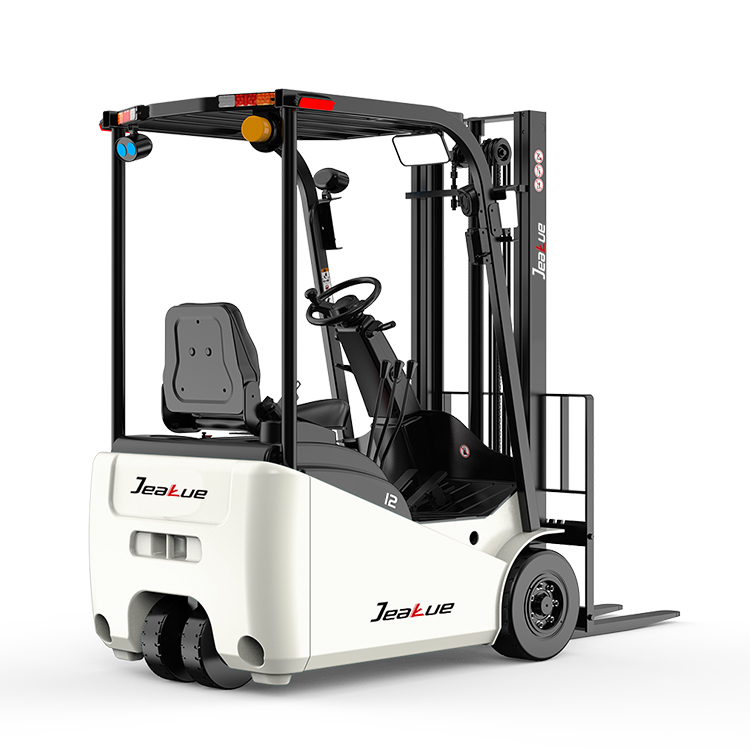
FreshLink Logistics operated a fleet of 20 Class I sit-down counterbalance forklifts. They used traditional 36V lead-acid batteries. On paper, lead-acid batteries are cheaper upfront. However, FreshLink’s operations manager, Sarah Vance, noticed three silent budget killers:
-
The Change-Out Shuffle: Each shift required 15 minutes per forklift to swap a 3,000 lb battery. With 20 trucks across three shifts, that amounted to 15 labor hours per day of non-productive time.
-
The Charging Cave: To avoid killing lead-acid batteries, trucks had to be parked for 8 hours to charge, followed by an 8-hour cool-down. FreshLink had to buy a 3:1 ratio of batteries to trucks (60 batteries total) and lease a 2,000 sq. ft. ventilated room.
-
Cold Storage Penalty: Their freezer section operates at -10°F. Lead-acid batteries lose up to 40% of their capacity in extreme cold. Operators were swapping batteries mid-shift, further grinding throughput to a halt.
“We thought the batteries were the cheap part,” Vance recalls. “But when you add up the labor, the real estate, the watering maintenance, and the disposal fees, lead-acid was a tax on our productivity.”
The Solution: Switching to Lithium-Ion
FreshLink decided to pilot a conversion of 10 of their 20 forklifts to 80V lithium-ion batteries, with a plan to roll out the remaining 10 after six months. They chose LiFePO4 (Lithium Iron Phosphate) chemistry due to its thermal stability and long cycle life.
The Implementation changes included:
-
Removing the battery cage: No overhead crane or side-extractors needed.
-
Installing “Opportunity Charging” stations: Standard 240V outlets placed at the end of aisles.
-
Retraining staff: Operators no longer “change” batteries; they simply plug in during lunch breaks.
The Results: By the Numbers
After 12 months of full lithium adoption, FreshLink Logistics released its internal audit. Here is the direct cost comparison between the legacy lead-acid fleet and the new lithium fleet (annualized for 20 trucks).
| Cost Category | Lead-Acid Fleet (Annual) | Lithium Fleet (Annual) | Annual Savings |
|---|---|---|---|
| Energy (kWh) | $34,500 | $28,900 | $5,600 |
| Battery Maintenance Labor | $42,000 (watering/cleaning) | $0 (maintenance-free) | $42,000 |
| Battery Change-Out Labor | $78,000 (1.5 hrs/truck/day) | $0 (opportunity charging) | $78,000 |
| Real Estate (Charging room) | $18,000 (leased space) | $2,000 (wall outlets) | $16,000 |
| Replacement Batteries | $36,000 (20% fleet/yr) | $0 (10-year warranty) | $36,000 |
| Ventilation/Hazmat | $7,500 (hydrogen gas) | $0 (no gassing) | $7,500 |
| TOTALS | $216,000 | $30,900 | $185,100 |
Operational Gains (Non-Financial)
Beyond the $185k in hard savings, the lithium fleet unlocked intangible revenue:
-
Throughput increased by 12%: Cold storage operators no longer abandon their truck to warm up or swap batteries. A single 15-minute “opportunity charge” during a mandated break keeps the truck running for 20 hours.
-
No “Fleet Shrinkage”: Lead-acid batteries require a “cool-down” period. FreshLink previously had to park 4 trucks at all times to cool. Lithium runs 100% of the fleet, 100% of the day.
-
Safety Score Improvement: Zero acid spills. Zero back injuries from lifting 3,000 lb batteries. Zero hydrogen gas explosion risk.
The Payback Period
The upfront cost of a lithium battery is approximately 2x that of a lead-acid battery. However, because FreshLink no longer needed a 3:1 ratio (they now use 1:1), the total capital expenditure for powering the fleet was actually lower with lithium.
-
Lead-Acid Capital: 60 batteries × $4,500 = $270,000
-
Lithium Capital: 20 batteries × $9,000 = $180,000
ROI Calculation:
-
Upfront savings on hardware: $90,000
-
Annual operating savings: $185,100
-
Total first-year benefit: $275,100
-
Net cost of conversion after selling old lead-acid assets: ~$50,000
Payback period: 3.2 months. (Full ROI achieved within 18 months when accounting for charger retrofits.)
The “Green” Dividend
While the case study focused on cost, FreshLink used the lithium switch to earn an additional $22,000 in tax credits under the local “Green Warehouse” initiative. Lithium batteries are 99% recyclable, and because they are 30% more energy-efficient (no heat loss during charging), the company reduced its Scope 2 carbon emissions by 47 metric tons annually.
Conclusion: The Math is Unavoidable
For operations managers still clinging to lead-acid, the message from FreshLink Logistics is clear: the “cheap” battery is the expensive lie.
Lithium-powered forklifts eliminate labor waste, destroy real estate inefficiencies, and thrive in harsh environments where lead-acid fails. While the sticker price causes initial hesitation, the total cost of ownership (TCO) analysis shows that lithium pays for itself within a single fiscal year.
As Sarah Vance puts it: “I don’t manage batteries anymore. I manage pallets. And that is the entire point.”
Key Takeaway for Decision Makers:
If your fleet operates 24/7, uses cold storage, or suffers from battery change-out bottlenecks, a lithium conversion isn’t a luxury—it’s the single highest-ROI project in your facility.