A stand-on tow tractor appears, at first glance, to be one of the simpler pieces of equipment on an airfield or in a warehouse. The operator steps onto a small platform, grips a handle, and the machine moves. There is no seat, no enclosed cabin, and no elaborate dashboard. Yet this apparent simplicity is precisely what makes the stand-on tow tractor a subject worthy of serious attention. The design places the operator in a position of continuous physical exposure, requiring a level of vigilance and procedural discipline that is easy to underestimate. Understanding the stand-on tow tractor means looking beyond its operational convenience and examining the safety culture, training requirements, and human factors that determine whether it is used safely or dangerously.
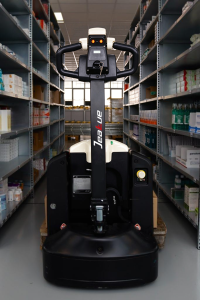
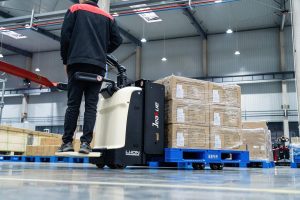
The stand-on configuration is a deliberate design choice with clear operational advantages. For tasks that involve frequent mounting and dismounting—such as moving baggage carts, order-picking in logistics centers, or repositioning light loads across short distances—a seated cabin would be an impediment. Manufacturers emphasize features like easy hop-on access, electric power steering to reduce fatigue, and compact dimensions for narrow aisles . The operator stands within a protected zone, often with a backrest and non-slip platform, and controls the vehicle through a multifunction handle or pedal arrangement. In aviation ground handling, stand-on tractors are used for pushback operations where the operator must maintain communication with the flight deck while maneuvering an aircraft . The machine is, in essence, a mobile extension of the operator’s own body—responsive, direct, and unforgiving of error.
The most consequential reality of the stand-on tow tractor is that the operator is not enclosed. There is no metal cage, no airbag, and no crumple zone between the person and the environment. This means that the primary safety system is the operator’s own judgment and the procedures that govern the work. Consider the findings from a formal accident investigation involving a stand-on tow tractor during an aircraft pushback. The operator was required to simultaneously control the throttle, manage the brake, maintain radio communication with the cockpit, keep visual contact with a wing walker, and monitor the clearance between the aircraft and surrounding obstacles. After the pushback was complete, the operator inadvertently struck the wing walker, causing fractures to the leg and ankle. The investigation concluded that the cause was improper equipment operation—specifically, a failure to keep the tractor under positive control and a failure to ensure that all persons were clear before moving . The machine functioned correctly. The procedures existed. The injury occurred because the human operator, managing multiple concurrent demands, lost track of one critical element.
This case illustrates a central truth about stand-on tow tractors: they concentrate risk in the interaction between the operator and the immediate environment. A seated operator in an enclosed cab has a degree of passive protection. A standing operator on an open platform has none. The consequences of a lapse in attention, a misjudged clearance, or a sudden movement are borne directly by the body. For this reason, the pre-operation routine for a stand-on tractor is not bureaucratic ritual but a genuine risk-mitigation necessity. A structured walkaround inspection must verify tire condition, fluid leaks, lighting function, mirror integrity, and the absence of foreign object debris in the path of travel . A defective tire or a missing tow pin is not a minor inconvenience; it is a potential cause of loss of control with an unprotected person aboard.
The operational environment of the stand-on tow tractor further amplifies these risks. In aviation settings, tractors operate in close proximity to aircraft worth tens of millions of dollars, amid jet blast, moving vehicles, and personnel on foot. The margin for error is measured in centimeters and seconds. In warehouse and logistics settings, the stand-on tractor shares space with pedestrians, forklifts, and racking systems. The operator must simultaneously manage the towed load, the clearance of the machine itself, and the unpredictable movements of others. The compact and maneuverable design that makes the stand-on tractor useful also makes it capable of appearing suddenly in a space where a pedestrian did not expect it. Warning beacons and blue spot lights are standard safety features for precisely this reason . But lights and alarms only work if the operator maintains the situational awareness to use them effectively.
What, then, does responsible operation of a stand-on tow tractor require? The answer is not found in the machine’s specifications but in the habits of the person on the platform. It requires a pre-shift inspection performed with genuine attention rather than rote completion. It requires an understanding that the controls demand deliberate, smooth inputs—not sudden accelerations or abrupt stops that could unbalance the operator or shift an unsecured load. It requires the discipline to look in the direction of travel and to refuse to move until certain that all persons are clear . And it requires the humility to recognize that a machine designed for convenience is not a machine that forgives carelessness.
The stand-on tow tractor will remain a fixture of ground support and logistics operations because its ergonomic and economic logic is sound. It fills a specific need that seated vehicles cannot address efficiently. But the simplicity of stepping onto a platform and gripping a handle should not obscure the seriousness of what follows. Every stand-on tow tractor operator is, in a literal sense, standing on the front line of their own safety. The machine will do what it is told. The responsibility for telling it correctly—and for recognizing when conditions make a safe operation impossible—rests entirely with the person whose feet are on the platform.