The global supply chain is under immense pressure. From warehouse floors to long-haul trucking, the industry faces a persistent and deepening labor shortage. The causes are multifaceted: an aging workforce, the physical toll of manual labor, pandemic-related disruptions, and a fundamental shift in worker expectations regarding work-life balance and job satisfaction. While recruitment campaigns and wage increases offer temporary fixes, they fail to address the systemic issue of a shrinking labor pool. This is where automation transitions from a futuristic concept to an immediate, practical necessity.
Automation is not simply about replacing human workers with robots; it is about augmenting the workforce, filling critical gaps, and redefining what a supply chain job looks like. By deploying technology in strategic areas, companies are mitigating the impact of labor shortages while simultaneously improving efficiency and safety.
Intralogistics and Warehouse Fulfillment
The warehouse has become the primary testing ground for labor-saving automation. The rise of e-commerce has created an insatiable demand for faster picking, packing, and shipping, yet these roles are often characterized by high turnover and physical strain. To counter this, companies are implementing a tiered approach to automation:
-
Autonomous Mobile Robots (AMRs): Unlike traditional automated guided vehicles (AGVs) that follow fixed paths, AMRs use sensors, cameras, and sophisticated software to navigate dynamic warehouse environments. They transport goods from shelving to packing stations, effectively eliminating the miles of walking that human pickers would otherwise endure. This allows existing staff to focus on higher-value tasks, such as quality control or exception handling, while the robots handle the repetitive “mule work.”
-
Goods-to-Person (GTP) Systems: Instead of workers walking to the inventory, GTP systems bring the inventory to the worker. Automated storage and retrieval systems (AS/RS) and cube storage units retrieve bins and deliver them to an ergonomic workstation. This dramatically reduces the physical exertion required for the job, opening up opportunities for a wider demographic of workers, including older employees and those with physical limitations who might otherwise be excluded from warehouse work.
-
Robotic Piece Picking: This is the frontier of warehouse automation. While traditional robotic arms struggle with the variability of consumer goods (different shapes, sizes, and packaging), advancements in computer vision and soft-gripping technology are enabling robots to pick individual items from a bin and place them into order totes. This addresses the most labor-intensive task in fulfillment—the final sortation—reducing dependency on manual labor during peak seasons.
Automated Material Handling and Forklift Operations
The movement of heavy pallets and bulk materials is a dangerous and physically demanding job. The shortage of certified forklift operators is a critical bottleneck in many distribution centers. Automation is addressing this through:
-
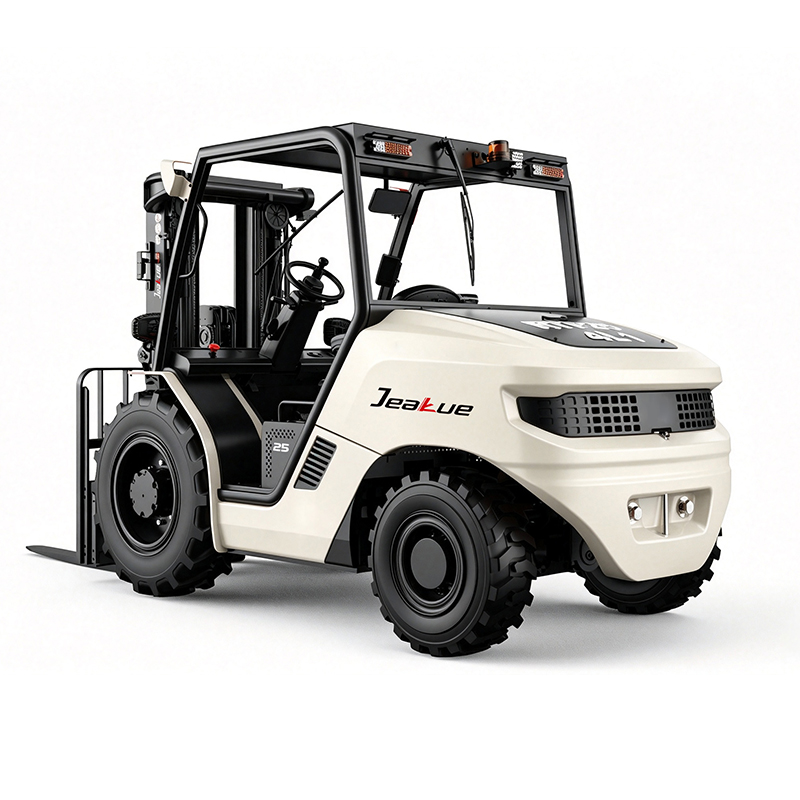
Automated Forklifts and Reach Trucks: These vehicles navigate using a combination of onboard sensors, barcode readers, and warehouse mapping software. They can execute complex tasks—such as putting away pallets or retrieving loads from high-bay racking—without a human driver. This frees up skilled operators for more complex logistical planning and maintenance roles.
-
Conveyor and Sortation Systems: Upgraded smart conveyors use sensors to divert, merge, and sort packages at high speeds. These systems are integrated with warehouse management systems (WMS) to ensure that the flow of goods matches the capacity of the workforce, preventing overwhelming backlogs that usually lead to overtime burnout.
The Long-Haul and Middle-Mile Challenge
Labor shortages are not confined to the four walls of a warehouse; they are acute in transportation, particularly for long-haul trucking. The industry faces a demographic cliff as drivers retire faster than new ones enter the field. Automation is making inroads here through:
-
Autonomous Trucking: While fully driverless long-haul trucks are still undergoing testing, supervised autonomous driving is already a reality. Systems using adaptive cruise control, lane-keeping, and platooning (where trucks follow closely to reduce drag) are reducing driver fatigue, allowing for safer operations and potentially longer effective driving windows. The goal is not to eliminate the driver but to augment them, turning them into “fleet managers” who handle the complex urban portions of the route while the AI manages the monotonous highway miles.
-
Telematics and Route Optimization: Advanced software algorithms analyze traffic patterns, weather conditions, and delivery windows to optimize routes in real-time. By maximizing the number of deliveries a single driver can make in a shift, companies are getting more output per worker, effectively increasing labor productivity without increasing headcount.
Redefining the Role of the Human Worker
Perhaps the most significant impact of automation is the transformation of job roles. Rather than expecting humans to compete with machines on speed and strength, automation allows companies to shift their hiring focus toward logistics technicians and data analysts.
The modern supply chain worker needs to be comfortable overseeing a fleet of AMRs, troubleshooting scanner errors, or analyzing dashboard data to predict bottlenecks. This shift creates a more engaging, safer, and less physically punitive work environment. As a result, turnover rates decline, and the industry becomes more attractive to younger, tech-savvy workers who might have otherwise overlooked logistics as a career path.
Economic Viability and Scalability
For small and medium-sized enterprises (SMEs), traditional automation was cost-prohibitive. However, the rise of Robotics-as-a-Service (RaaS) models allows companies to lease equipment and pay per-pick or per-pallet moved. This operational expenditure (OPEX) model lowers the barrier to entry, allowing smaller firms to scale their automation up or down in response to seasonal demand, ensuring they are not overstaffed during slow periods or understaffed during peak surges.