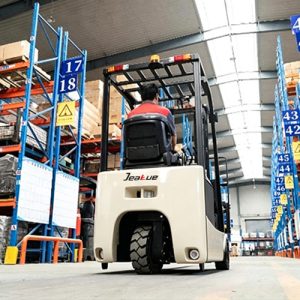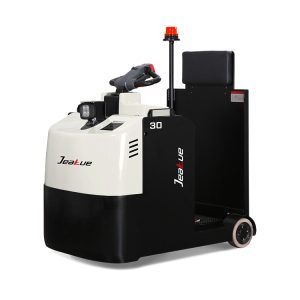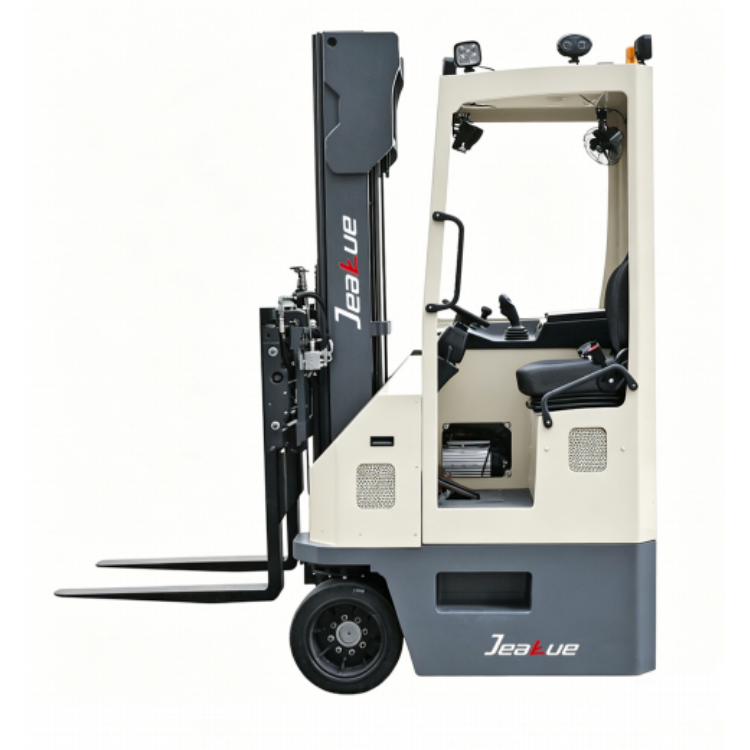
In today’s fast-paced logistics, manufacturing, and warehouse operations, material handling is far more than just moving goods from Point A to Point B. It is the invisible backbone that ties every stage of your supply chain together, and even small bottlenecks in this process can ripple out to cause missed delivery deadlines, inflated operational costs, and frustrated frontline teams. Many businesses pour huge budgets into upgrading heavy equipment or expanding storage space, yet overlook the low-effort, high-impact changes that come from streamlining their core material handling workflows. A well-optimized workflow does not just cut down on unnecessary steps — it unlocks consistent productivity gains, reduces workplace safety risks, and turns chaotic daily operations into a smooth, scalable system that grows alongside your business.
Map Your Current Workflow to Uncover Hidden Bottlenecks
The first step to meaningful workflow optimization is to build a full, transparent picture of how materials actually move through your facility, rather than relying on outdated process documents that no one follows. Spend 2–3 full work shifts shadowing your frontline teams, from the moment raw materials arrive at the loading dock to the finished goods are loaded onto outgoing trucks. Document every single step: how many times a pallet is moved between temporary storage zones, how long operators wait for forklift access, how much time is spent searching for misplaced inventory labels, and how often misrouted items have to be reprocessed. You will almost always find hidden waste that no formal audit has caught: for example, 30% of a picker’s daily time might be spent walking empty routes between unrelated storage aisles, or incoming shipments are left unprocessed for hours because the dock team has no pre-shift notification of their arrival. Mapping these pain points does not require fancy software — a simple flow chart paired with team feedback will reveal exactly where your workflow is losing time.
Optimize Layout and Material Placement for Minimal Movement
One of the most impactful, low-cost changes you can make is restructuring your facility layout to cut down on unnecessary travel and handling steps. The core principle here is “right product, right place, right time”: store fast-moving SKUs that are picked multiple times a day in ground-level, easily accessible zones close to the packing stations, so pickers do not have to climb tall racks or walk hundreds of feet for high-volume items. Group materials that are always used together for the same production task in adjacent storage spots, eliminating the need for operators to run across the facility to collect all parts for a single order. For loading dock areas, create dedicated staging zones for incoming and outgoing shipments that are clearly marked with floor tape, so there is no cross-traffic between teams unloading deliveries and teams loading finished goods. Even a 10% reduction in average travel distance per material movement can add up to hundreds of saved work hours every month for a mid-sized warehouse.
Integrate Smart Tools and Standardized SOPs to Eliminate Guesswork
Streamlining workflows does not mean you have to replace your entire team with automated systems overnight — it means giving your workers simple, consistent tools that remove friction from their daily tasks. Replace paper-based pick lists with mobile barcode scanners that pull real-time order data directly from your inventory management system, so pickers never have to decipher messy handwritten notes or confirm stock levels verbally with the back office. Create visual, step-by-step standard operating procedures posted at every work station, with color-coded labels for different material categories, so temporary new hires can follow the process correctly without constant supervision. For teams using material handling equipment like pallet jacks or electric stackers, assign dedicated parking spots near high-traffic work zones, and schedule quick 5-minute pre-shift equipment checks to avoid mid-shift breakdowns that halt an entire order batch. These small standardized changes remove the guesswork from daily tasks, so every team member works the same consistent, efficient way instead of inventing their own workaround.
Build Continuous Improvement Loops to Sustain Long-Term Gains
A streamlined material handling workflow is not a one-time project you finish and forget — it is a living system that needs regular tweaks as your inventory volume, product types, or order patterns change. Set up a short 15-minute weekly huddle with your frontline material handling teams, and ask them to share one small pain point they ran into that week that slowed their work. Frontline operators almost always spot bottlenecks that managers never see, and many of their suggested fixes cost almost nothing to implement. Every quarter, run a small audit to measure key metrics: order picking time per line item, material damage rate, and average dock turnaround time for incoming shipments. Celebrate small wins with the team when you hit a new efficiency milestone, and adjust your workflow rules as needed to adapt to seasonal peaks, new product lines, or changes to your delivery routes.
When you tie all these pieces together, streamlined material handling workflow stops being a tedious operational task and becomes a competitive advantage for your business. You will cut down on wasted labor hours, reduce product damage that eats into your profit margins, and create a safer, less frustrating work environment for your frontline teams. Over time, these small consistent improvements add up to a supply chain that runs smoothly even during the busiest peak seasons, without the chaos and overtime costs that plague under-optimized operations.