Introduction: The Sustainability Imperative
The global push toward sustainability has moved from the periphery of corporate social responsibility to the core of strategic business planning. As climate change accelerates and stakeholder expectations intensify, organizations across industries are confronting a fundamental question: How can we fundamentally decarbonize our operations while maintaining economic viability? The answer lies in a two-pronged approach: transitioning to renewable energy sources and electrifying operational processes. This article explores the strategic pathway from renewable energy adoption to full electric operations, examining the challenges, opportunities, and integrated frameworks that enable organizations to achieve meaningful sustainability goals.
Part I: The Renewable Energy Foundation
The journey toward sustainable operations begins with the energy supply itself. Renewable energy—solar, wind, hydro, and geothermal—offers a pathway to decouple economic activity from fossil fuel combustion. However, the transition is not merely a matter of installing solar panels or signing power purchase agreements (PPAs). It requires a fundamental rethinking of energy procurement, storage, and management.
1.1 On-Site Generation vs. Off-Site Procurement
Organizations face a critical decision: generate renewable energy on-site or procure it from external sources. On-site generation, particularly solar photovoltaic (PV) systems, offers direct control, price predictability, and resilience benefits. However, it is constrained by spatial limitations and capital requirements. Off-site procurement through virtual PPAs or green tariffs enables access to utility-scale renewable projects, often at lower costs, but introduces complexity in accounting and regulatory compliance. A hybrid approach—combining on-site generation for base loads with off-site procurement for residual demand—emerges as the most pragmatic strategy for large energy consumers.
1.2 The Storage Challenge
Renewable energy’s intermittency remains a significant barrier. Solar generation peaks at midday, while wind patterns fluctuate unpredictably. Battery energy storage systems (BESS) have emerged as the critical enabler, allowing organizations to store excess energy during periods of high generation and discharge it during peak demand or low-generation periods. The falling cost of lithium-ion batteries—declining by approximately 89% over the past decade—has made storage economically viable for many applications. Beyond batteries, emerging technologies such as pumped hydro, compressed air storage, and green hydrogen offer long-duration storage solutions that will be essential for achieving 24/7 carbon-free energy.
1.3 Energy Procurement and Carbon Accounting
Transitioning to renewable energy requires sophisticated procurement strategies and transparent carbon accounting. The Greenhouse Gas (GHG) Protocol’s Scope 2 guidance provides a framework for reporting emissions from purchased electricity, distinguishing between market-based and location-based accounting methods. Organizations must carefully navigate the complexities of renewable energy certificates (RECs), guarantees of origin, and additionality principles to ensure that their renewable energy claims are credible and impactful.
Part II: The Electric Operations Transition
While renewable energy addresses the supply side of the decarbonization equation, electric operations address the demand side. Electrifying industrial processes, transportation fleets, and building systems represents the second pillar of the sustainability strategy, converting fossil-fuel-consuming assets to electric alternatives powered by clean energy.
2.1 Industrial Electrification
Industrial sectors—including manufacturing, mining, and chemicals—have historically relied on high-temperature thermal processes fueled by natural gas or coal. Electric alternatives, such as induction furnaces, electric arc furnaces, and heat pumps, are now achieving commercial viability. However, the transition requires careful assessment of process compatibility, energy intensity, and capital costs. For many industries, electrification offers not only emissions reductions but also enhanced process control, improved safety, and reduced maintenance costs.
2.2 Transportation Electrification
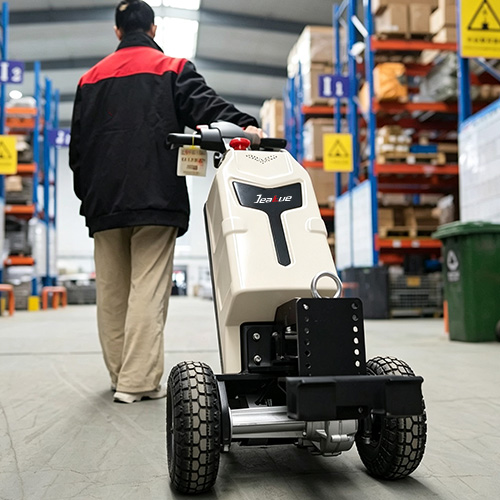
The transportation sector represents one of the largest and most visible opportunities for electrification. Fleet operators are increasingly transitioning from internal combustion engine (ICE) vehicles to battery electric vehicles (BEVs) for light-duty applications, while medium- and heavy-duty electrification is gaining momentum. Electric buses, delivery vans, and even long-haul trucks are entering commercial production. Beyond vehicles, the electrification of material handling equipment—forklifts, port cranes, and mining haul trucks—offers significant emissions reductions in logistics-intensive operations.
2.3 Building Systems and HVAC
Heating, ventilation, and air conditioning (HVAC) systems account for a substantial portion of commercial and industrial energy consumption. Electric heat pumps, which transfer heat rather than generate it through combustion, offer efficiencies of 300-400% compared to traditional electric resistance heating. Geothermal heat pumps, which leverage the stable temperature of the earth, provide even greater efficiency gains. Combined with smart building management systems that optimize operation based on occupancy and weather conditions, electric HVAC systems contribute meaningfully to overall sustainability goals.
Part III: Integrated Management and Optimization
Achieving sustainability goals requires more than discrete investments in renewable generation and electric equipment; it demands an integrated approach that optimizes the interaction between energy supply and demand.
3.1 Energy Management Systems (EMS)
Advanced energy management systems enable real-time monitoring, control, and optimization of energy flows across an organization. These systems integrate data from renewable generation assets, storage systems, building loads, and electric vehicle charging infrastructure. Machine learning algorithms can predict generation patterns, forecast demand, and automatically dispatch storage to minimize costs and emissions. The most sophisticated EMS platforms incorporate weather forecasting, grid price signals, and carbon intensity data to optimize operations against multiple objectives.
3.2 Demand Response and Flexibility
Electric operations create new opportunities for demand response—the ability to adjust energy consumption in response to grid conditions. Electric vehicle fleets, for example, can serve as distributed storage resources, charging during periods of low grid carbon intensity and discharging during peak periods through vehicle-to-grid (V2G) technology. Industrial processes with flexible timing can shift energy-intensive operations to periods of high renewable generation. These demand-side flexibility measures not only reduce costs but also support grid stability and enable higher penetration of renewable energy.
3.3 Microgrids and Energy Resilience
For organizations seeking energy independence and resilience, microgrids offer a compelling solution. A microgrid—a localized energy system that can operate independently from the main grid—combines renewable generation, storage, and intelligent controls to ensure reliable power supply. During grid outages, the microgrid can island itself and continue serving critical loads. The economic case for microgrids is strengthening as battery costs decline and grid reliability concerns grow, making them an attractive component of the sustainability strategy.
Part IV: Overcoming Barriers to Implementation
Despite the compelling logic of the renewable-to-electric pathway, organizations face significant barriers that must be systematically addressed.
4.1 Capital Investment and Financial Modeling
The upfront capital costs of renewable generation, storage, and electric equipment remain substantial, particularly for small and medium-sized enterprises. However, the total cost of ownership (TCO) analysis often reveals favorable economics over the asset lifecycle, when fuel savings, maintenance reductions, and incentive programs are considered. Innovative financing mechanisms—including energy-as-a-service contracts, green bonds, and sustainability-linked loans—are helping organizations overcome capital constraints.
4.2 Grid Infrastructure and Interconnection
Electrification increases electricity demand, which may strain existing grid infrastructure. Interconnection queues for new renewable projects can extend for years in some regions, delaying implementation. Organizations must engage proactively with utilities and regulators, advocating for grid modernization and interconnection process improvements. Behind-the-meter solutions, such as on-site generation and storage, can mitigate grid dependence while awaiting interconnection.
4.3 Technical Standards and Workforce Development
The transition to electric operations requires new technical skills, from electrical engineering and power systems analysis to battery management and controls programming. Organizations must invest in workforce development to build these capabilities internally. Additionally, industry standards for interoperability, safety, and performance are still evolving, requiring organizations to stay abreast of developments and participate in standards-setting bodies where possible.
Part V: Measuring and Verifying Progress
Sustainability claims must be backed by rigorous measurement and verification to maintain credibility with stakeholders.
5.1 Science-Based Targets (SBTs)
The Science Based Targets initiative (SBTi) provides a framework for setting emissions reduction targets aligned with the Paris Agreement goals. Organizations committing to SBTs must develop detailed decarbonization roadmaps that specify the contributions of renewable energy and electrification measures. Third-party verification of progress against these targets enhances credibility and accountability.
5.2 Lifecycle Assessment (LCA)
While operational emissions (Scope 1 and 2) are the primary focus of renewable energy and electrification strategies, organizations must also consider lifecycle emissions, including embodied carbon in equipment manufacturing and end-of-life disposal. Lifecycle assessment provides a holistic view of environmental impact and can identify trade-offs that might otherwise be overlooked.
5.3 Energy Attribute Certificates (EACs)
Energy attribute certificates—including RECs in North America and Guarantees of Origin in Europe—provide a mechanism for tracking and claiming renewable energy consumption. Organizations must develop robust procurement policies that ensure the quality and credibility of these instruments, prioritizing certificates from projects that demonstrate additionality and are sourced from the same grid region as consumption.
Part VI: The Future: Green Hydrogen and Beyond
As organizations mature in their renewable energy and electrification journeys, new frontiers are emerging that promise even deeper decarbonization.
6.1 Green Hydrogen
Green hydrogen—produced through electrolysis powered by renewable energy—offers a pathway to decarbonize sectors that are difficult to electrify directly, including heavy industry, shipping, and aviation. While still in early stages of commercialization, green hydrogen is attracting significant investment and policy support. Organizations should monitor developments in hydrogen production, storage, and transport infrastructure, and consider pilot projects where economically viable.
6.2 Circular Economy Integration
The sustainability journey extends beyond carbon emissions to encompass resource efficiency and waste reduction. By integrating circular economy principles—designing for recyclability, maximizing equipment lifespan, and recovering materials at end-of-life—organizations can further reduce their environmental footprint while creating economic value. The circular economy complements renewable energy and electrification by addressing the full lifecycle of materials and energy.
Conclusion: The Integrated Pathway
The transition from renewable energy to electric operations represents a coherent, integrated pathway to achieving sustainability goals. It begins with decarbonizing the energy supply through renewable generation and procurement, continues with electrifying end-use processes and equipment, and is reinforced by intelligent management systems that optimize the interaction between supply and demand.
Success requires a long-term strategic perspective, sustained capital commitment, and organizational capability building. Yet the benefits extend beyond emissions reductions to include energy cost savings, operational resilience, enhanced brand value, and alignment with evolving regulatory and stakeholder expectations.
The organizations that will lead in the sustainable economy are those that view renewable energy and electrification not as separate initiatives but as interconnected components of a unified decarbonization strategy. As technology costs continue to decline, policy support strengthens, and stakeholder demands intensify, the economic and environmental case for this transition becomes increasingly compelling. The path is clear; the time to act is now.