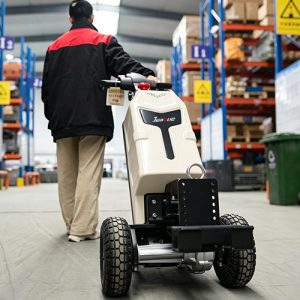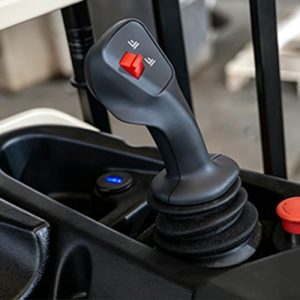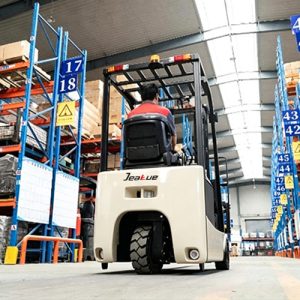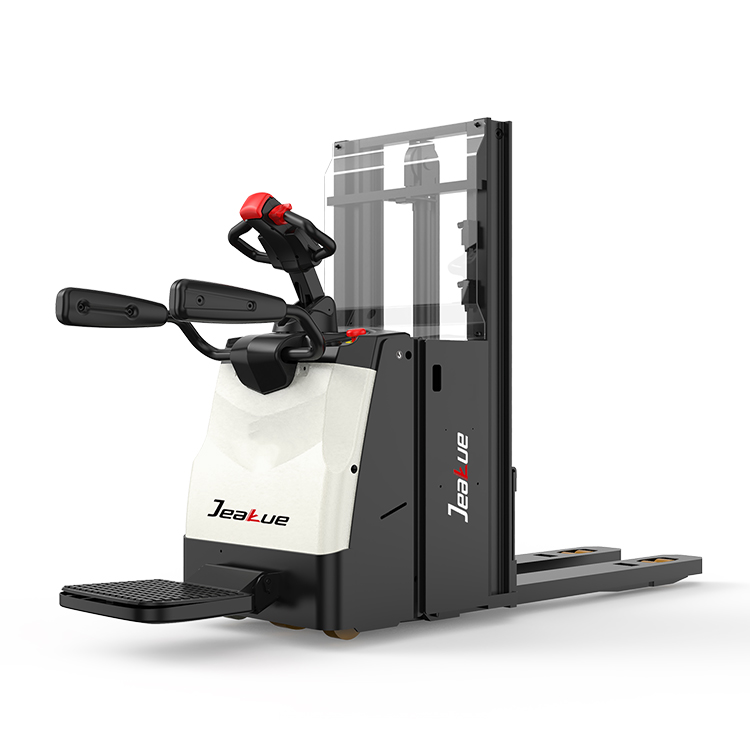
In the fast-paced world of logistics, warehousing, and manufacturing, the humble forklift has undergone a silent revolution. Gone are the days of noisy, fume-belching internal combustion engines. Today, the era of the modern electric forklift truck has arrived—and with it, a redefined commitment to workplace safety.
While electric forklifts are often celebrated for their low operating costs and environmental benefits, their most significant leap forward is in advanced safety technology. In modern material handling, “Safety First” is no longer just a slogan; it is a sophisticated, sensor-driven reality.
Here is how the latest generation of electric forklifts is protecting operators, pedestrians, and assets.
1. Dynamic Stability Systems: The Invisible Hand
The leading cause of forklift accidents is tipping over due to improper turning or unbalanced loads. Modern electric forklifts have virtually eliminated this risk with Dynamic Stability Systems (DSS) .
Unlike traditional hydraulic controls, DSS uses a network of microprocessors that monitor speed, steering angle, load weight, and mast tilt dozens of times per second. If the system detects a potential tip-over situation—such as turning too fast with a raised load—it automatically intervenes. It may cut driving speed, lock the hydraulic mast tilt, or limit cornering torque. The operator may not even realize they avoided a disaster; the truck simply refuses to perform an unsafe maneuver.
2. Blue Spot and Red Zone Lighting
Pedestrian safety is the number one concern in busy warehouses. Modern electric forklifts come equipped with advanced active lighting systems that act as visual shields.
-
Blue Spotlights: Projected several meters ahead of and behind the truck, these bright blue LEDs warn pedestrians of an approaching vehicle, even around blind corners.
-
Red Zone Lighting: Some models project a red perimeter on the floor around the truck’s turning radius. This creates a clear “danger zone” that pedestrians instinctively avoid.
Because electric trucks operate nearly silently, these visual cues replace the auditory warning of a combustion engine, ensuring that silence does not equate to danger.
3. Operator Presence Sensing Systems
Distraction is a killer. Modern electric forklifts feature smart seats and foot sensors that detect if the operator is in the correct position. If the operator leaves the seat, removes their feet from the pedals, or shifts their weight in a way that suggests a loss of control, the truck engages an automatic parking brake and disables the hydraulic controls within milliseconds. This prevents the terrifying scenario of a “runaway” forklift rolling into a dock door or, worse, a co-worker.
4. 360-Degree Visibility and Smart Cameras
Traditional forklifts are notorious for blind spots, especially when carrying bulky loads that obscure forward vision. Today’s electric models utilize Integrated Camera Systems with AI Overlays.
A clear screen mounted at eye level shows a rearview feed, but advanced systems go further. Using object detection algorithms, the system can highlight pedestrians with a yellow box or emit a cabin-based beep if movement is detected behind the truck while reversing. Some top-tier models offer a “see-through mast” feature, where a camera mounted on the carriage allows the operator to see what is directly in front of the forks, even when the mast channels block the line of sight.
5. Regenerative Braking and Smooth Deceleration
Speed management is a critical safety metric. Electric forklifts use regenerative braking systems that engage the moment the operator lifts their foot off the accelerator. This provides instant, smooth, and predictable deceleration without the lurch of mechanical brakes.
This feature is crucial for load stability. By eliminating harsh stops, regenerative braking prevents pallet loads from shifting or toppling forward. It also reduces operator fatigue, as drivers experience less jarring motion over an eight-hour shift, keeping them more alert and focused.
6. Impact Detection and Fleet Management Telemetry
Perhaps the most groundbreaking shift is connectivity. Modern electric forklifts are data centers on wheels. They are equipped with Impact Detection Sensors that record the severity and direction of every bump.
If an operator hits a rack or a dock leveler, the truck sends an immediate alert to the warehouse management system. This allows supervisors to inspect the vehicle for damage before it becomes a mechanical failure. Furthermore, fleet telemetry provides “black box” data on seatbelt usage, speeding events, and rapid acceleration. This data is used not for punishment, but for targeted safety training.
Conclusion: The Culture of Prevention
The shift to electric forklifts is not just an environmental trend; it is a safety imperative. The advanced features of these machines—from stability systems that think faster than humans to lighting that draws invisible barriers—create a culture of passive prevention.
For warehouse managers, the return on investment in electric forklifts is measured not just in kilowatt-hours saved, but in accidents avoided. When every lift, turn, and stop is governed by fail-safe technology, “Safety First” becomes the default setting of the modern warehouse floor.